Thundercat Racing: The Ultimate Water Speed Thrill
Enter the world of thundercat racing.
Thundercat racing is a thrilling water sport. It’s fast. It’s wet. It’s full of adrenaline. Inflatable boats speed across waves. They’re powered by strong engines. Races happen on lakes, rivers, and coastal waters. If you love speed, this is for you.
What Is Thundercat Racing?
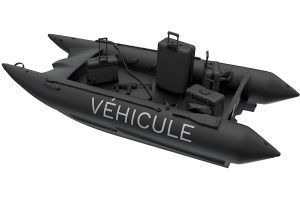
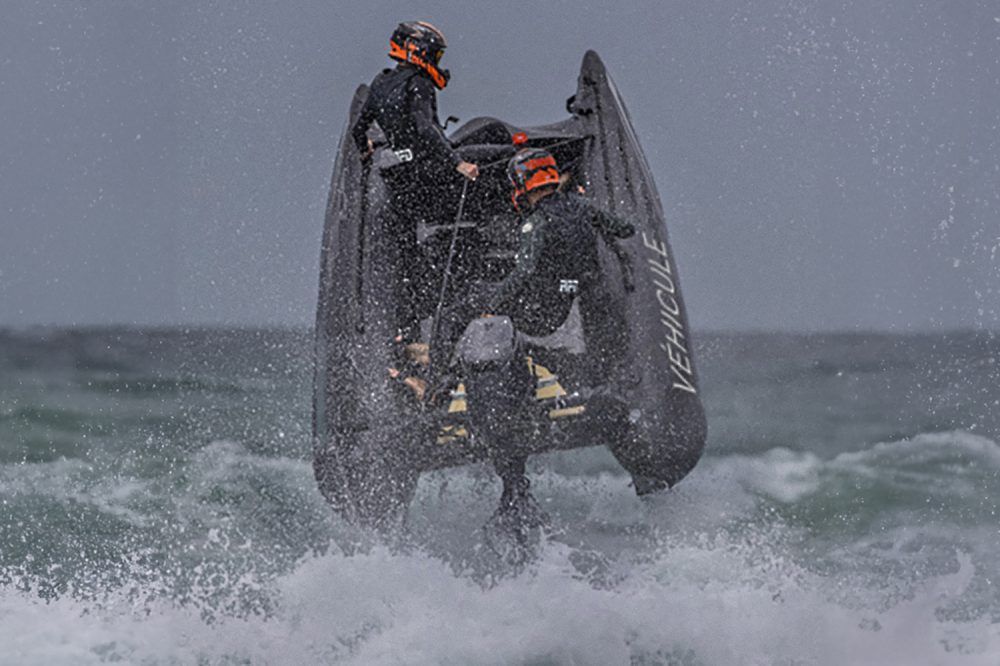
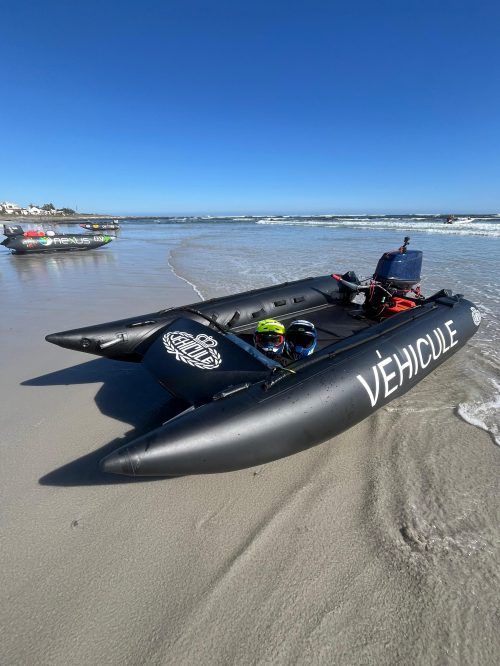
Thundercat boats are inflatable catamarans. They’re light—under 200 kg. Many use 60HP two-stroke engines. These engines deliver power. Two people crew each boat. One drives. The other balances. The driver steers and controls the throttle. The co-driver shifts weight. This keeps the boat stable. It’s teamwork at high speed.
The boats are about 4 meters long. The hulls are inflatable and tough. They bounce over waves. They handle rough water. That’s what makes Thundercat racing unique. It’s about speed and control.
It’s more affordable than big powerboat races. It’s easy to start. Hard to master. Beginners can join. Winning takes skill. Boats leap off waves. They turn tight. They flip often. Fans love the action. It’s chaos and skill combined.
Why Two-Stroke Engines Rule
Thundercat racing often uses 60HP two-stroke engines. Why? Boats flip a lot. Two-strokes are lighter than four-stroke engines. They have fewer parts. They’re easier to restart after a flip. Water gets in? Two-strokes recover better. They push boats to high speeds—over 50 knots (57 mph). They’re loud. The noise adds excitement.
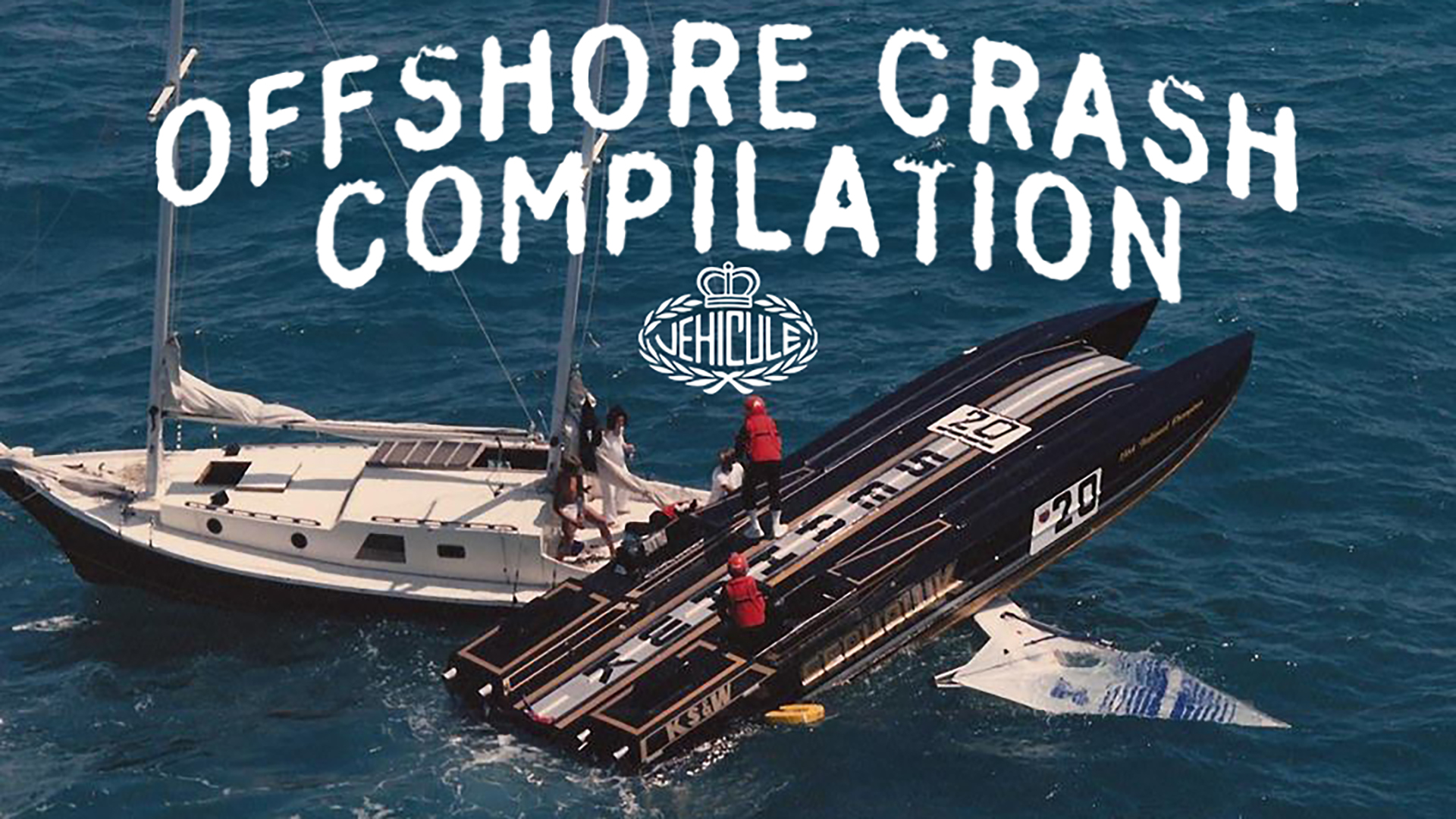
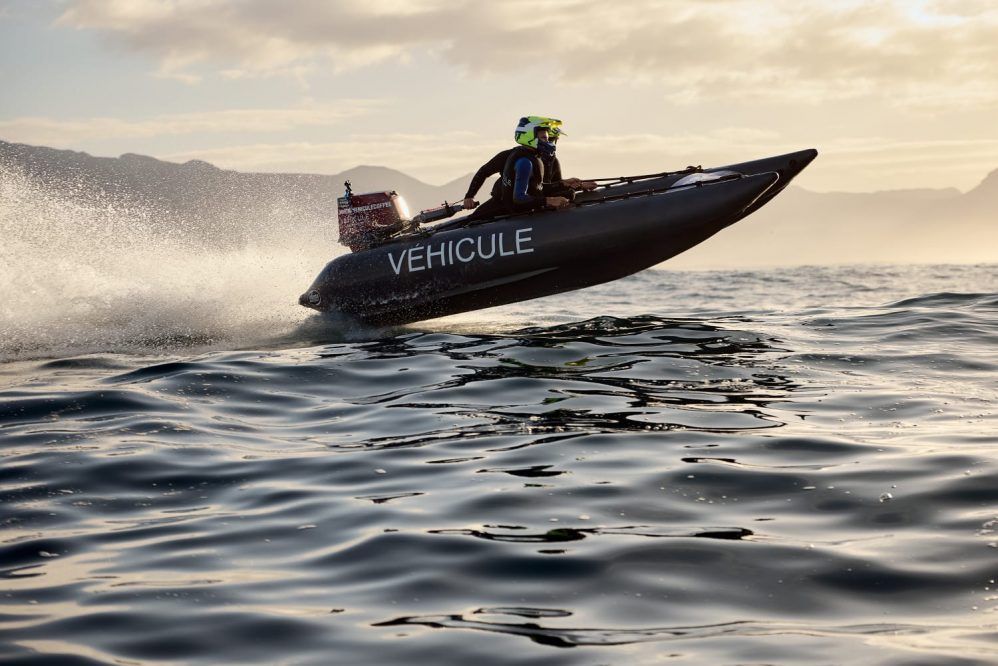
Flipping is common. Boats catch air. Waves toss them. A bad turn can flip them. Two-strokes handle it. Racers can get back in the race fast. That’s why they’re preferred.
Where Are the Races Happening?
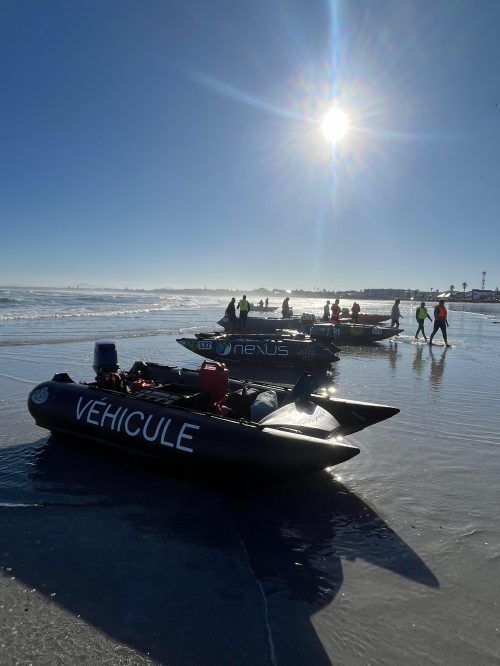
Thundercat racing is global. The UK is a hotspot. Bournemouth and Littlehampton host events. Australia has races in Queensland and New South Wales. South Africa’s surf races are big in Cape Town and Durban. New Zealand runs events on lakes and rivers. The USA has a growing scene in Florida. Germany hosts races too. Local clubs announce dates online.
How to Get Started
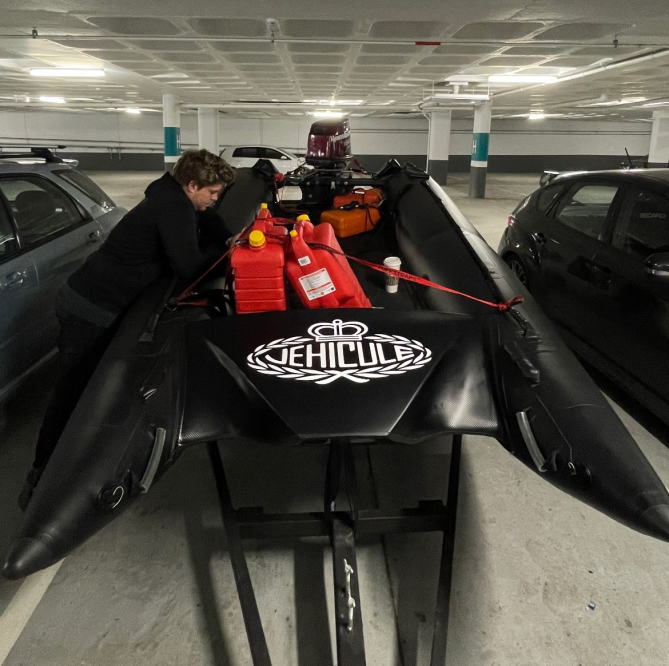
Want to race? Join a club. Some require a powerboat license. Others offer training. Minimum age is usually 16 for co-drivers, 17 for drivers. Safety gear is simple. Life jacket. Helmet. Boats can be rented or bought. Practice is key.
Fun Facts About Thundercat Racing
- Boats have multiple air chambers. One pops? They still float.
- Courses vary: M-shape, triangle, surf.
- Flips happen often. Injuries are rare. Boats are soft.
Why Flips Happen So Much
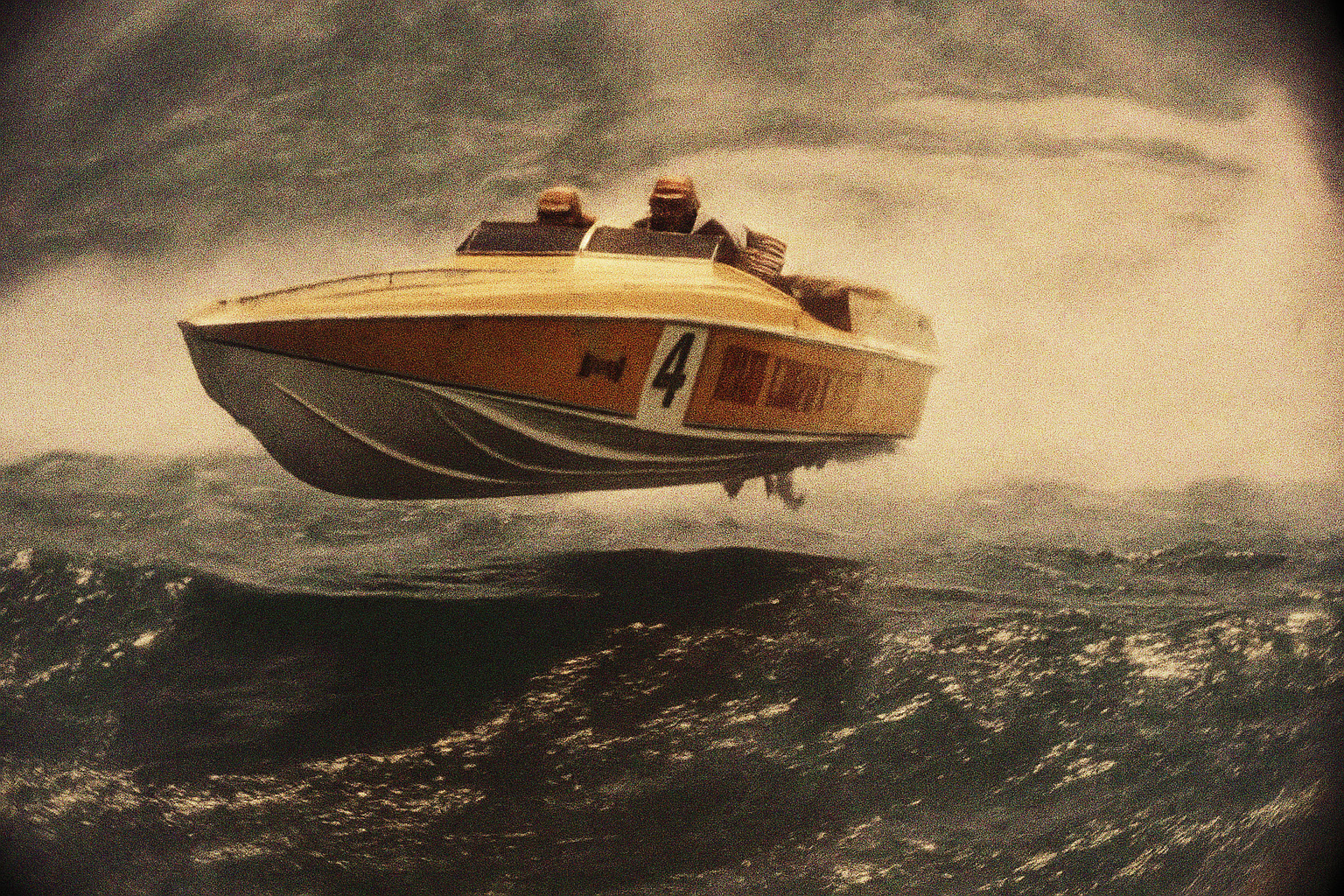
Waves cause flips. Boats go airborne. Landings can go wrong. Sharp turns tip them. Surf races make it worse. Big swells toss boats. Two-strokes keep racers going.
Why Spectators Love It
Crowds line the shore. Boats soar. They twist. They crash. It’s free to watch. Families enjoy it. The action is nonstop.
The Community Vibe
Thundercat racers are close-knit. Everyone helps. Newbies get tips. Pros share advice. Race days bring people together.
Join the Madness
Thundercat racing is raw. It’s loud. It’s fast. The 60HP two-stroke roars. Waves don’t stop it. Flips don’t end it. Want in? Find a race. Meet the teams. Or just watch. You’ll feel the rush. Speed, skill, and chaos—Thundercat racing has it all.
CHECK OUT THE VÉHICULE THUNDERCAT HANDMADE IN SOUTH AFRICA.