Keeping Mildew at Bay
Need to rid your boat of mildew? No sweat
It's as universal (and as unlikable) as ring around the collar. Every boat, no matter how carefully maintained, will get a case of mildew sooner or later, but no one likes to talk about it. Eying the dark blotches on charts, under bunk cushions, or on the bulkhead, they simply hope it will go away, which it often does if the weather turns fair. The boat owner sighs with relief and forgets about it ... until he opens the hatch weeks later to find that mildew has been very hard at work!
Mildew is one of many forms of fungus present everywhere in the world. It's a very primitive plant form that feeds on other plants and produces microscopic seedlike spores that float freely around the cabin. These spores are always present, but it takes a particular set of conditions to encourage their growth into the black and smelly blight. Unfortunately, the ideal conditions for mildew are in a dark, damp location ... just like your boat.
Not only is the climate inside a boat perfect for mildew, but there are plenty of delicacies for it to attack. Mildew thrives on the vegetable fibers found in clothing and cordage, as well as paper, leather, and any adhesives of animal or vegetable origin. The linseed oil found in oil-based paints, for example, is gourmet fare for mildew.
Since mildew is easier to prevent than to eliminate, your first concern should be prevention. The first line of defense is to provide good ventilation throughout the boat. The second is to keep everything clean and dry, and the last is to reduce the interior humidity level. None of these projects are small tasks in the marine environment, of course, but they aren't impossible.
Good ventilation means a steady flow of air through all parts of the boat ... not just the main cabin. When leaving your boat for more than a day or two, it should look as though it had been looted by professional thieves. Open all drawers, lockers, and compartments. Prop up all the bunk and seat cushions so air flows freely around them, and lift out several floorboards to ventilate the bilge as well. Leave as many ports open as weather permits and, if possible, prop the lazarette hatch open about an inch. If you have Dorade-style vents, face some of them forward and some of them aft to produce air circulation down below. For year-around protection, you should ventilate locker doors and closed areas by installing any of the wood or metal vents available in marine hardware stores.
A clean and dry boat is just as important as a well-ventilated one. The galley is particularly susceptible to mildew because of food crumbs and grease, so clean up completely after each use. Although man-made fibers are resistant to mildew, any form of dirt (from lint in the lockers to soap residue in the shower) can become a foothold for mildew. An essential boatkeeping chore should be a regular cleaning of the interior.
Since dampness is essential to mildew, it stands to reason that you shouldn't stow wet gear. Anchor lines, foul weather jackets and sails are the worst offenders, since they're hard to dry even in ideal conditions. If you can't get them dry, don't stow them! Coil the wet anchor line in the cockpit to dry, put the wet sails in your garage, and hang the foulies in your shower. If you toss your damp cockpit cushions onto your settee, you can expect a mildew sandwich when you return.
When refinishing your interior, remember that a satin or flat finish provides a home and a grip for mildew, while a glossy finish doesn't. Although many marine paints already contain them, you should also check on anti-mildew additives for your paint which can combat fungus just as antifouling paint prevents barnacles.
But even the best preventative measures sometimes aren't enough, and you have to rid your vessel of mildew. There are two ways to approach the problem: with natural cures and with man-made products.
Mildew is much like Count Dracula ... it can't survive light and warmth. So take everything from bunk cushions to sails outside and spread them in the sun. Open all the curtains and let sunlight warm the interior. Your boat will look like an old-fashioned laundry, but you'll kill the mildew. Expose all sides to the sunlight, and turn items like jackets inside out for full effect. Most of us, however, aren't lucky enough to have year-around sunny weather, so you'll probably have to rely on man-made assistance.
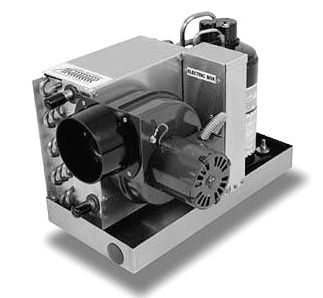
To prevent the formation of mildew, you'll need to reduce the humidity level inside your boat. If you have access to 110v AC power, you can use a household dehumidifier, several of the Golden-Rod warming rods available in marine stores, or even 100 watt light bulbs to generate warmth.
The most common chemical used to combat moisture is silica gel, which is usually encountered as the white packets tucked into camera and stereo equipment to absorb moisture during shipment. Both silica gel and a similar product, activated alumina, are porous granules that absorb up to half their weight in moisture from the atmosphere and which can be purchased inexpensively in bulk at hardware or drug stores. Using a double thickness of nylon stocking as a container, suspend these granules in lockers and around your cabin. Best of all, they can be reused after drying for about an hour in a 300 degree vented oven. A more potent chemical for removing moisture is calcium chloride, but it is highly caustic to both skin and fabric, and requires special care.
To rid yourself of mildew in a damp climate, you should start with a complete cleaning and airing. Be wary of strong laundry detergents, however, since phosphates are a delicacy for mildew. Any residue left after you scrub the mildewed area will only bring back an increased growth. Use a low-phosphate soap for normal scrubbing and a mild alkali, such as washing soda or trisodium phosphate, for stubborn mildew, but be sure to rinse the area thoroughly.
One particular problem area is the creases in upholstered boat seats or cockpit cushions. Use a solution of a quarter cup of ammonia to four cups of water, and scrub the seams with an old toothbrush, followed by gentle drying with a hair dryer. For tougher stains on white synthetic cushions, soak the surface in a mixture of 1 teaspoon of ammonia, 1/4 cup of hydrogen peroxide, and 3/4 cup of distilled water. If you have colored vinyl cushions, try the solution in a small test area first.
To remove old mildew stains from the white cotton underside of cockpit or bunk cushions, soak the affected area in chlorine bleach, and then dip it in a weak solution of white vinegar and water to counteract the bleaching action.
The shower and head compartment can usually stand a good misting of undiluted bleach in a spray bottle, but you must thoroughly rinse afterwards with household ammonia. Always use gloves, and don't ever mix bleach and ammonia ... they produce deadly chlorine gas.
Leather, particularly when damp, attracts mildew, but you can remove it by wiping with a cloth wrung in a weak water/alcohol solution. Regular washing with saddle soap also reduces mildew, and drying the leather completely is a must.
Mildewed wood surfaces, particularly in the bilges or hard-to-reach areas, can be cleaned and protected with a rag dipped in a bucket of water seasoned with a shotglass of kerosene.
There are a number of commercial anti-mildew solutions on the market, and a little testing will show which works best for your boat and climate. One product favored by many boatmen is MDR's Mildew Spray (Marine Development & Research, 116 Church St., Freeport, NY 11520), both to eradicate mildew and to protect against future attacks. Fungicidal chemicals, such as Endew, can be placed in closed lockers, but you'll have to live with a mild mothball scent.
Just like ring around the collar, there are cures for mildew, but it's preferable not to have it in the first place. A good prevention program along with regular doses of sunlight and fresh air will keep your boat mildew-free and new smelling.