Amphibious Vehicles: Conquering Land and Water with Sealed Hulls and Dual Propulsion
Amphibious vehicles conquer land and water with sealed hulls and dual propulsion.
November 9, 2025
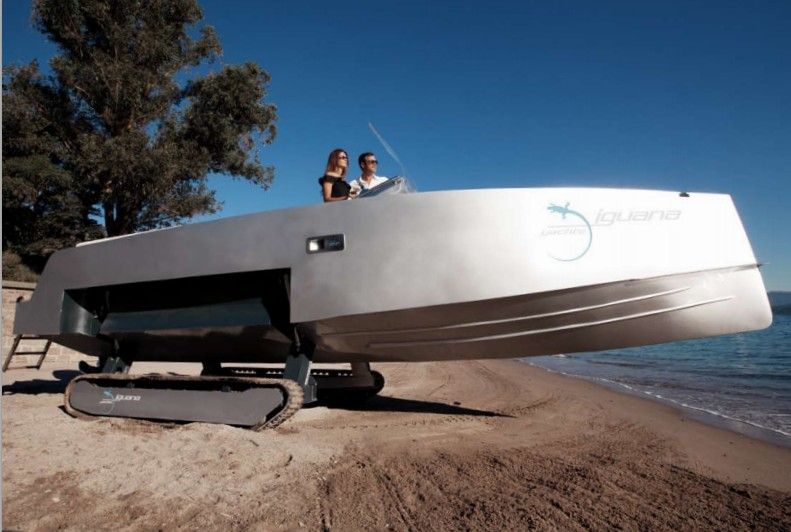
Amphibious vehicles are specialized machines designed to operate effectively on both land and water. These vehicles, regulated by agencies such as the U.S. Coast Guard for water operations and local transportation authorities for land use, incorporate sealed hulls, propulsion systems for each medium, and buoyancy features to ensure seamless transitions. Models range from historical examples like the WWII DUKW to modern designs such as the Gibbs Aquada, with capabilities varying by intended application, including military, recreational, or utility purposes.

WWII DUKW, Image by VÉHICULE
The dual-environment design addresses unique engineering challenges, including watertight integrity, corrosion resistance, and independent drive systems for wheels and propellers or water jets. Performance on water typically prioritizes stability and maneuverability, while land operation requires adequate speed, traction, and compliance with road regulations. Legal operation often demands registration for both maritime and vehicular use, with violations potentially leading to fines or restrictions.

Gibbs Aquada, Image by VÉHICULE
The design incorporates several key engineering principles:
* Buoyancy and hull shaping for flotation and planing efficiency.
* Power distribution between land and water propulsion systems.
* Transition mechanisms, such as retractable wheels or adjustable suspension.
* Material selection for durability in freshwater, saltwater, and terrestrial conditions.
Common applications include military troop transport, search-and-rescue operations, tourism in coastal or wetland areas, and industrial tasks in flood-prone regions.