The Lost Legend of the Bluebird K7: A Hydroplane’s Untold Offshore Legacy
Donald Campbell's Bluebird K7, a jet-powered hydroplane, shattered multiple world water speed records in the 1950s and 1960s, reaching a peak of 276.33 mph in 1964 before its tragic crash in 1967 during an attempt to break 300 mph.
August 17, 2025
Donald Campbell’s Bluebird K7 redefined speed on water. Built in 1955, this jet-powered hydroplane set seven world water speed records. Yet, its story remains untold in offshore racing circles.

Donald Campbell, Image by VÉHICULE
Bluebird K7’s Record-Breaking Journey
Campbell, a British speed enthusiast, chased records on land and water. In 1955, he launched Bluebird K7, powered by a Metropolitan-Vickers Beryl jet engine. Initially, it hit 202.32 mph on Ullswater, UK. Subsequently, Campbell pushed boundaries, reaching 276.33 mph by 1964 on Australia’s Lake Dumbleyung. Thus, Bluebird became a global icon.
Unlike traditional offshore racers, Bluebird was a hydroplane. However, its lightweight aluminum hull and jet propulsion influenced powerboat designs.

Bluebird K7, Image by VÉHICULE
The Tragic End in 1967
In January 1967, Campbell aimed for 300 mph on Coniston Water. Tragically, Bluebird flipped at over 290 mph, killing Campbell instantly. The wreck sank, forgotten for decades. Nevertheless, its story captivated racers. In 2001, diver Bill Smith recovered Bluebird, now displayed at the Ruskin Museum. As a result, its restoration sparked renewed interest.

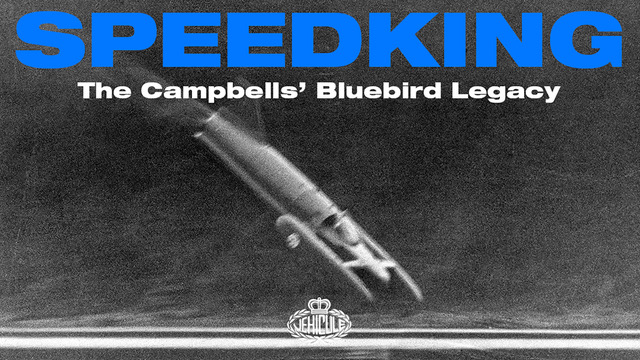
Donald Campbell Crash, Image by VÉHICULE
Influence on Offshore Racing
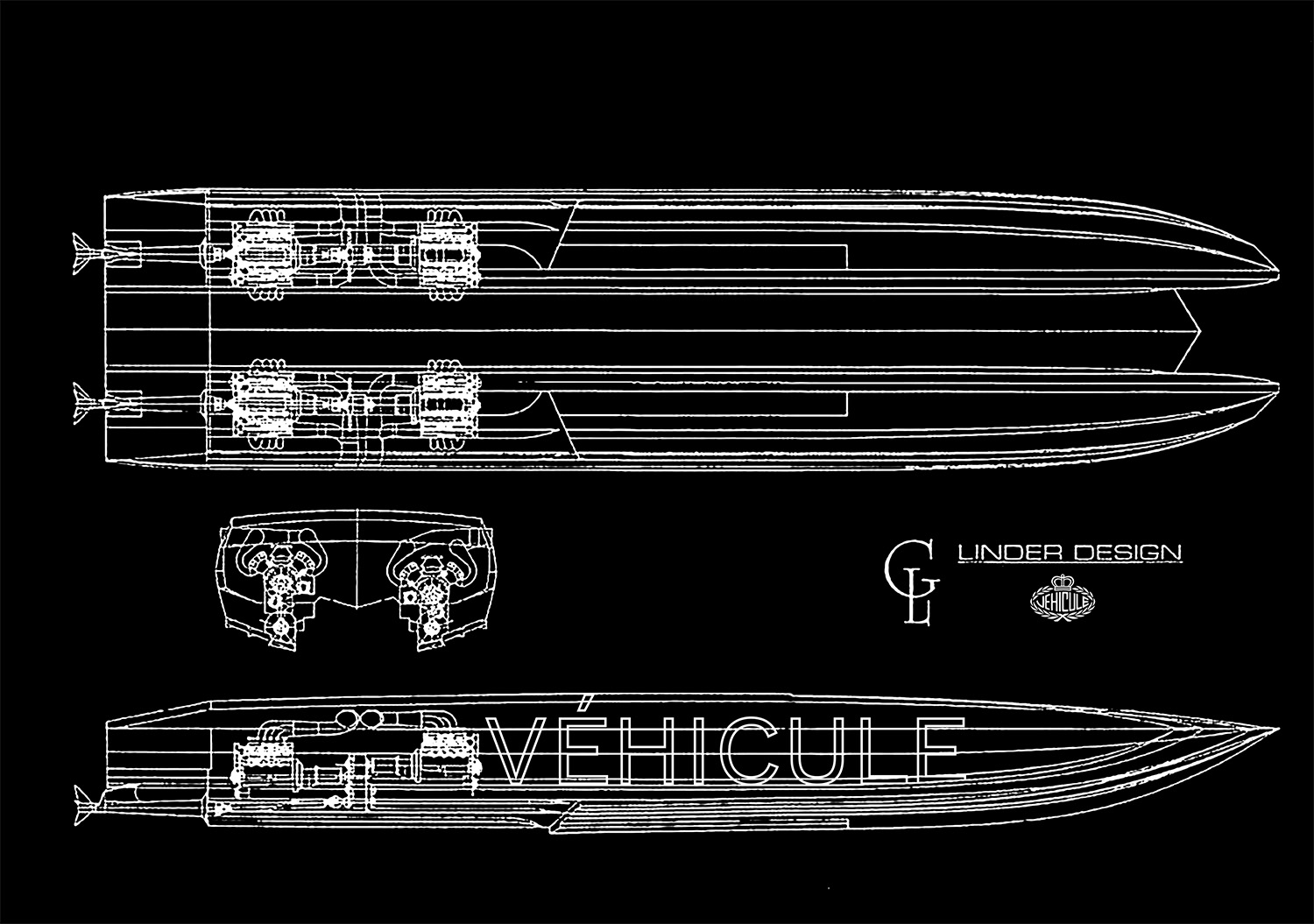
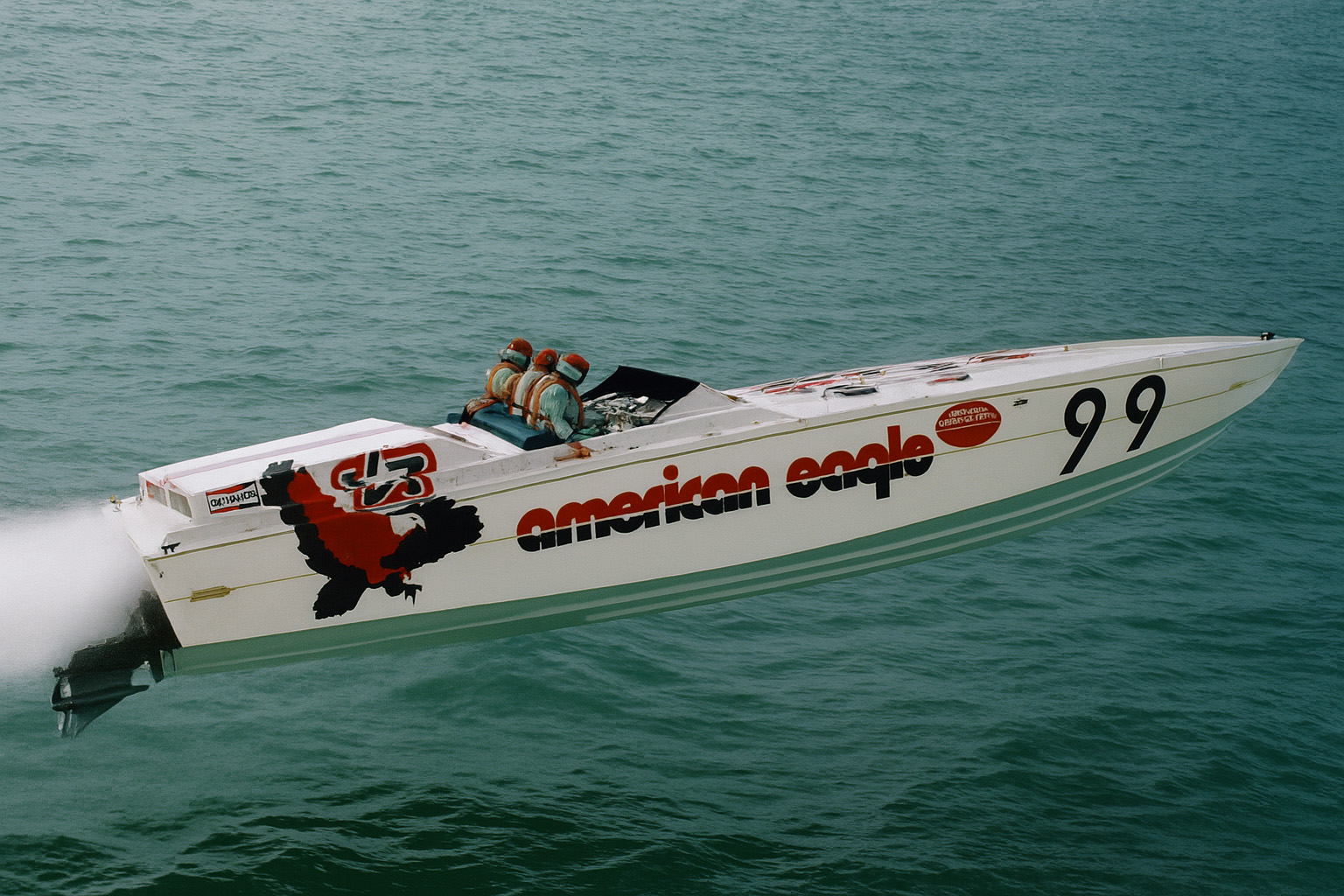
Bluebird K7’s jet technology was ahead of its time. Although not a raceboat, its design impacted offshore vessels. For instance, its aerodynamic hulls shaped 1960s powerboats like those from Don Aronow.

Bluebird K7, Image by VÉHICULE
Restoration and Legacy
The Bluebird Project restored K7 to running condition by 2018. Volunteers rebuilt its engine, preserving Campbell’s vision. Consequently, it ran again on Scotland’s Loch Fad, thrilling fans.
Bluebird K7 pushed limits, blending speed and danger. Its story inspires modern racers and collectors. Moreover, its engineering paved the way for high-performance boats.

Donald Campbell, Image by VÉHICULE