Don Aronow: The Powerboat Legend, His Collaborators, and the Shadow of His Murder
Don Aronow revolutionized the offshore industry with iconic brands like Cigarette and Donzi.
Don Aronow was a titan in powerboat design and racing. His iconic brands—Formula, Donzi, Magnum Marine, and Cigarette Racing Team—redefined high-performance boating. Yet, his success relied on talented designers and mechanics. Additionally, his rivalries, early racing experiences, and alleged ties to illegal businesses led to his unsolved 1987 murder. This article explores Aronow’s boating career, key collaborators, early racing ventures, controversies, and the mystery of his death.
Early Racing Career: The Spark for Offshore Brands
Aronow’s passion for powerboat racing ignited in 1962 during the Miami-Nassau race. Introduced to the sport by friend Forrest Johnson, he competed in a 27-foot cruiser but finished fourth after a mechanical failure. This experience hooked him, revealing the thrill of offshore racing and the potential for faster, more durable boats. Inspired, Aronow began designing vessels to dominate the sport. His competitive drive, combined with a keen eye for innovation, led to the creation of Formula Marine in 1962. Working with engineer Jim Wynne, he developed boats with superior speed and handling, laying the foundation for his offshore empire. This early racing exposure fueled his ambition to build brands like Donzi, Magnum, and Cigarette, each designed to outperform competitors on the open water.

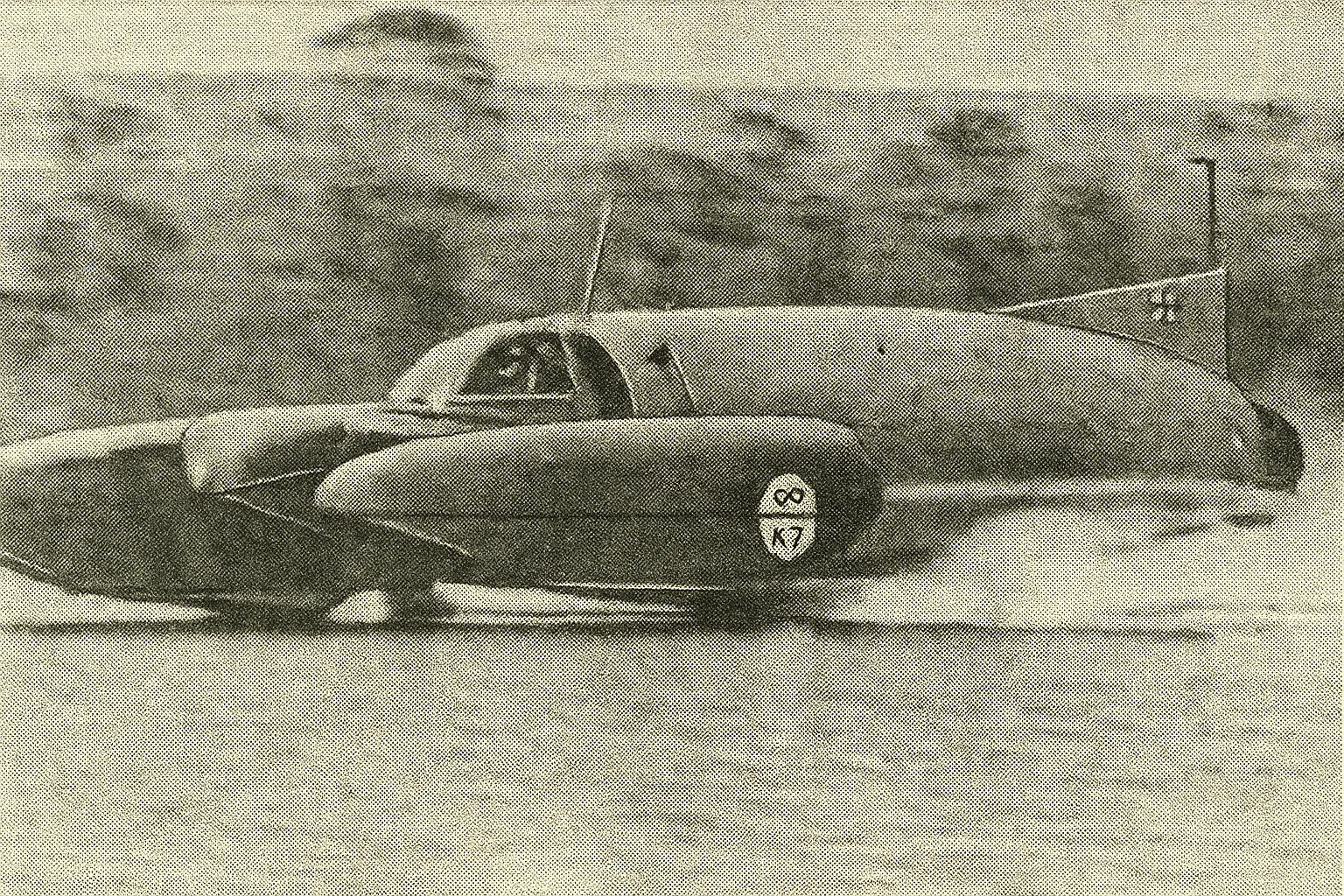
Jim Wynne, Don Aronow’s chief design engineer, revolutionized speedboat performance with his innovative marine outdrive, shaping Aronow’s legendary Formula and Donzi boats in the 1960s. Image by VÉHICULE.
Aronow’s Boating Empire and Key Collaborators
Born in Brooklyn in 1927, Aronow moved to Miami in 1959 after amassing wealth in construction. His love for speedboats birthed an empire on Thunderboat Row. However, his success depended on skilled collaborators who turned his vision into reality.
Formula Marine (1962)
Aronow founded Formula Marine in 1962, focusing on high-performance boats. He collaborated with Jim Wynne, a marine engineer who invented the stern drive. Wynne’s expertise shaped Formula’s sleek, fast designs. Additionally, mechanic Thurman “Red” Cooper tuned engines and optimized hulls. Aronow sold Formula to Alliance Machine Corp within a year, showcasing his business acumen.

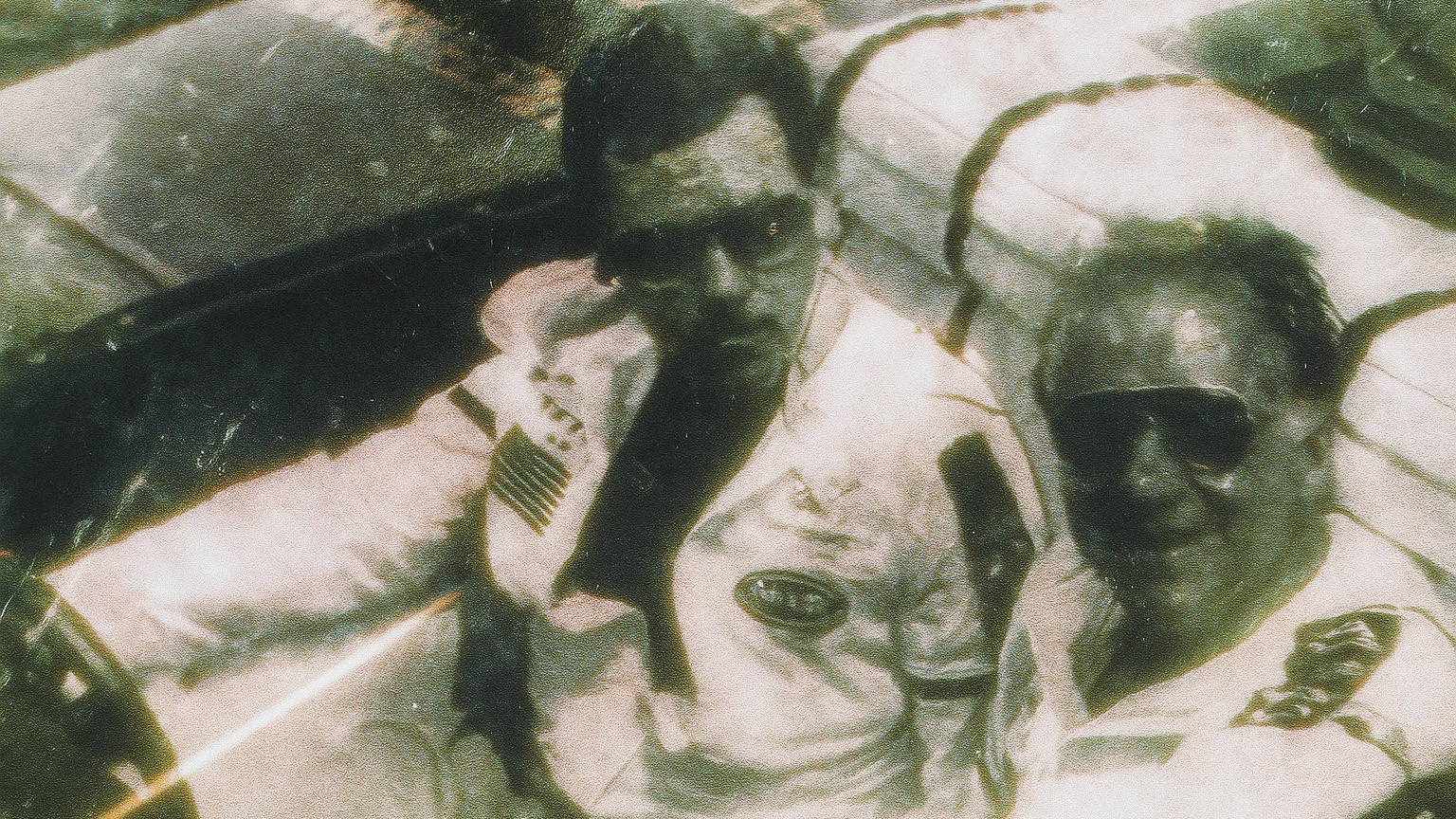
In 1964, between their historic Ed Sullivan Show appearances, The Beatles met Don Aronow for some fun in the U.S. Image by VÉHICULE.
Donzi Marine (1964)
In 1964, Aronow launched Donzi Marine, known for stylish, high-speed boats. Walt Walters, a skilled designer, crafted Donzi’s iconic hulls, popular with figures like President Lyndon Johnson. Mechanic Jake Trotter ensured engines delivered top performance. Aronow sold Donzi to Teleflex Inc. in 1965, capitalizing on its rapid success.

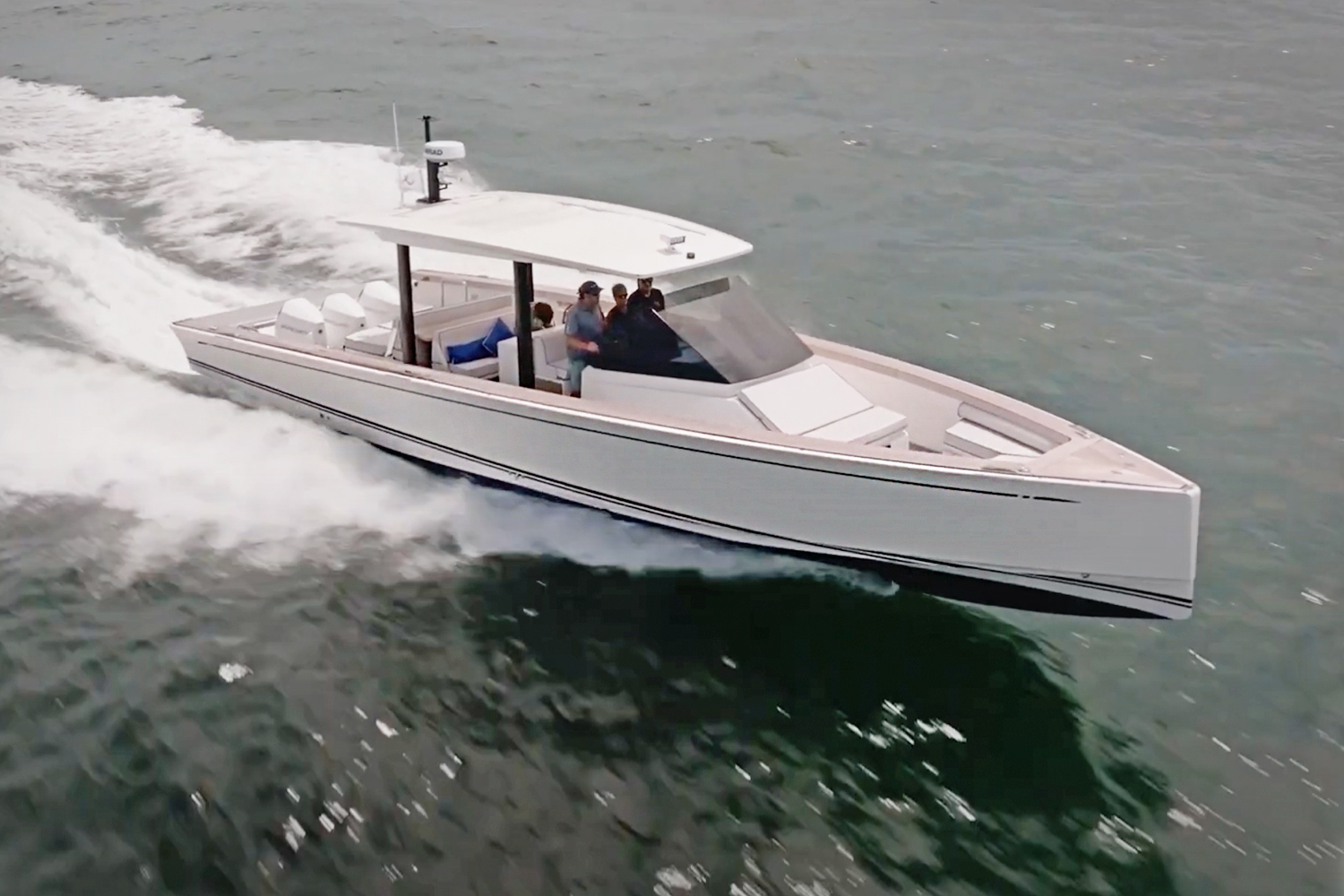
Donzi Marine was founded by Don Aronow in 1964, crafting iconic high-performance boats like the Sweet 16, blending speed, style, and innovation on the water. Image by VÉHICULE.
Magnum Marine (1966)
Aronow started Magnum Marine in 1966, aiming for racing dominance. Harry Schoell, a naval architect, designed deep-V hulls for stability at high speeds, leading to Aronow’s 1967 world championship win with 27-foot Magnums. Mechanic Elton Cary fine-tuned engines for peak power. Aronow sold Magnum to American Photocopy in 1968, but a non-compete clause briefly paused his boatbuilding.
Cary (1969)
To sidestep the non-compete, Aronow built boats under the Cary name with mechanic Elton Cary. Designer Dick Genth refined hulls, setting the stage for Cigarette’s iconic designs. This interim brand kept Aronow active until his next venture.

The legendary 32 ft. Cary-Cigarette, built by Elton Cary for Don Aronow after selling Magnum Marine. Image by VÉHICULE.
Cigarette Racing Team (1970)
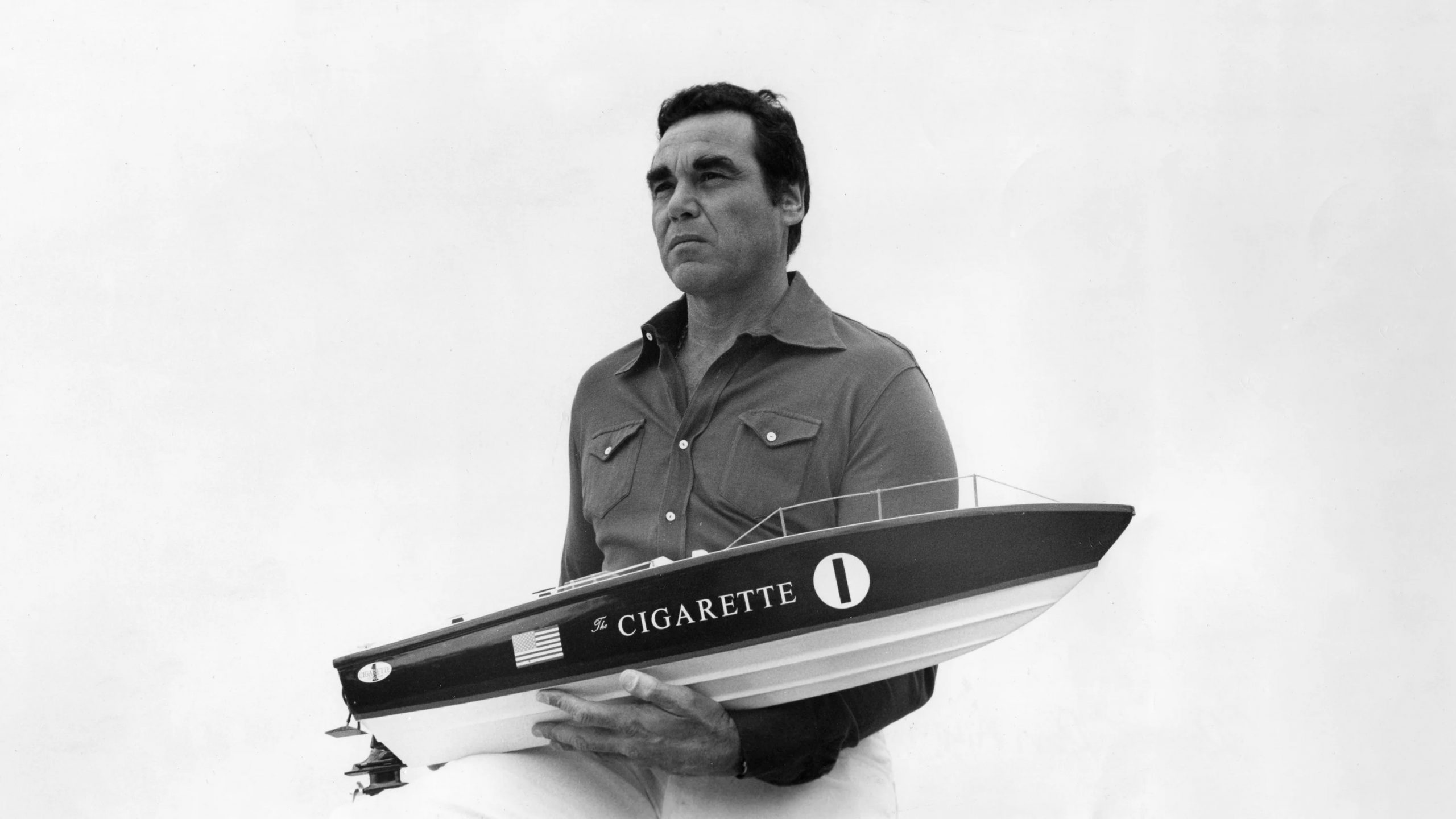
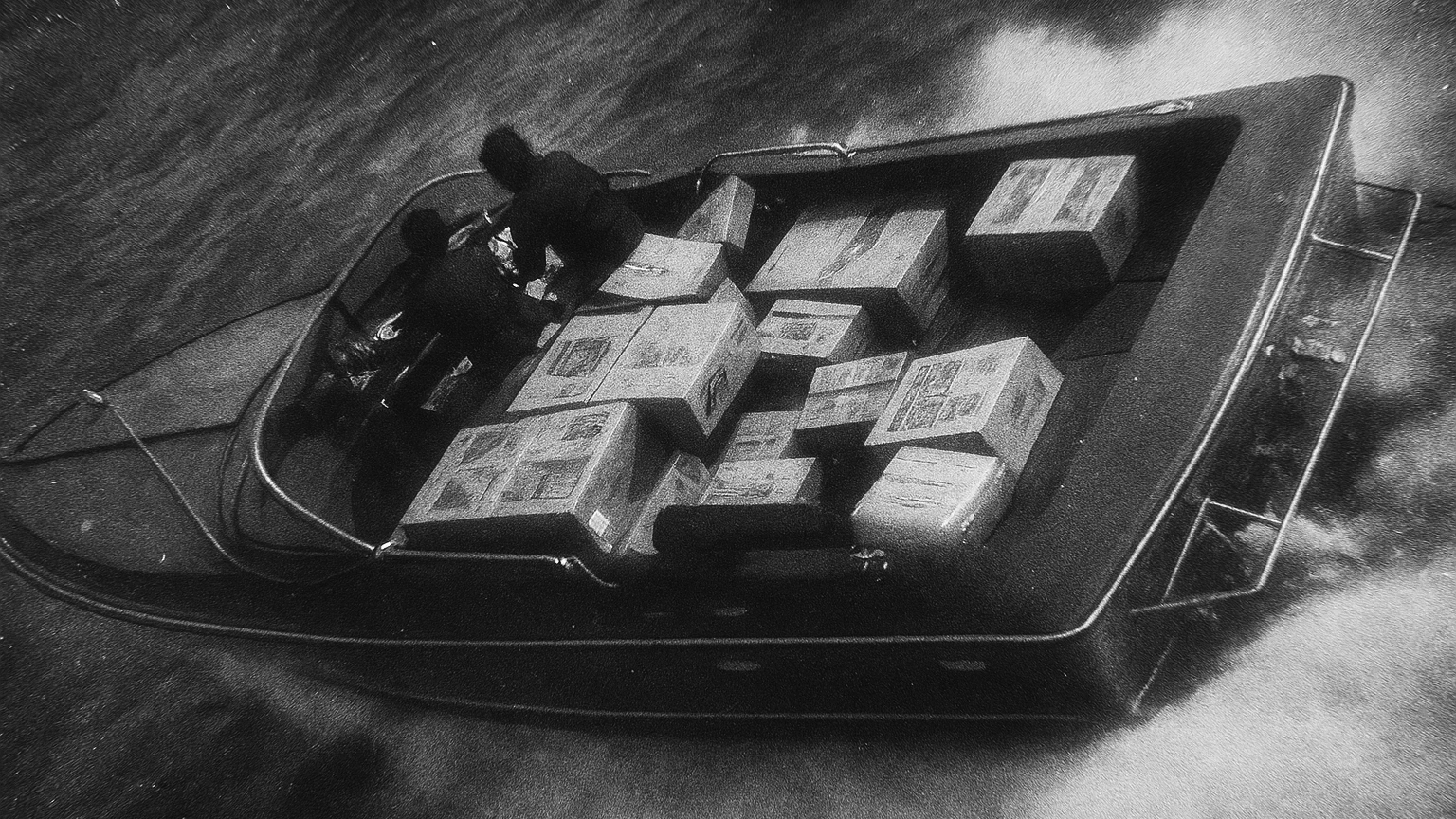
In 1970, Aronow founded Cigarette Racing Team, his most legendary brand. Named after a Prohibition-era rum-runner, Cigarette boats hit 90 mph. Walt Walters refined hulls, while Jim Wynne optimized propulsion. Mechanics Jake Trotter and Knocky House, a rigging expert, ensured flawless performance. Aronow sold Cigarette in the late 1970s, repurchased it, and sold it again in 1982.

Don Aronow, Image by VÉHICULE.
USA Racing Team (1982)
Aronow’s final venture, USA Racing Team, built Blue Thunder catamarans for the U.S. Customs Service. Harry Schoell designed these twin-hull boats, and mechanic Mike Drury fine-tuned propulsion for anti-smuggling missions. Vice President George H.W. Bush tested these vessels, underscoring their impact.

Don Aronow, legendary speedboat builder, shared a close friendship with George H.W. Bush, who owned a Cigarette boat and tested Aronow’s Blue Thunder catamarans. Image by VÉHICULE.
Racing Success and Rivalries
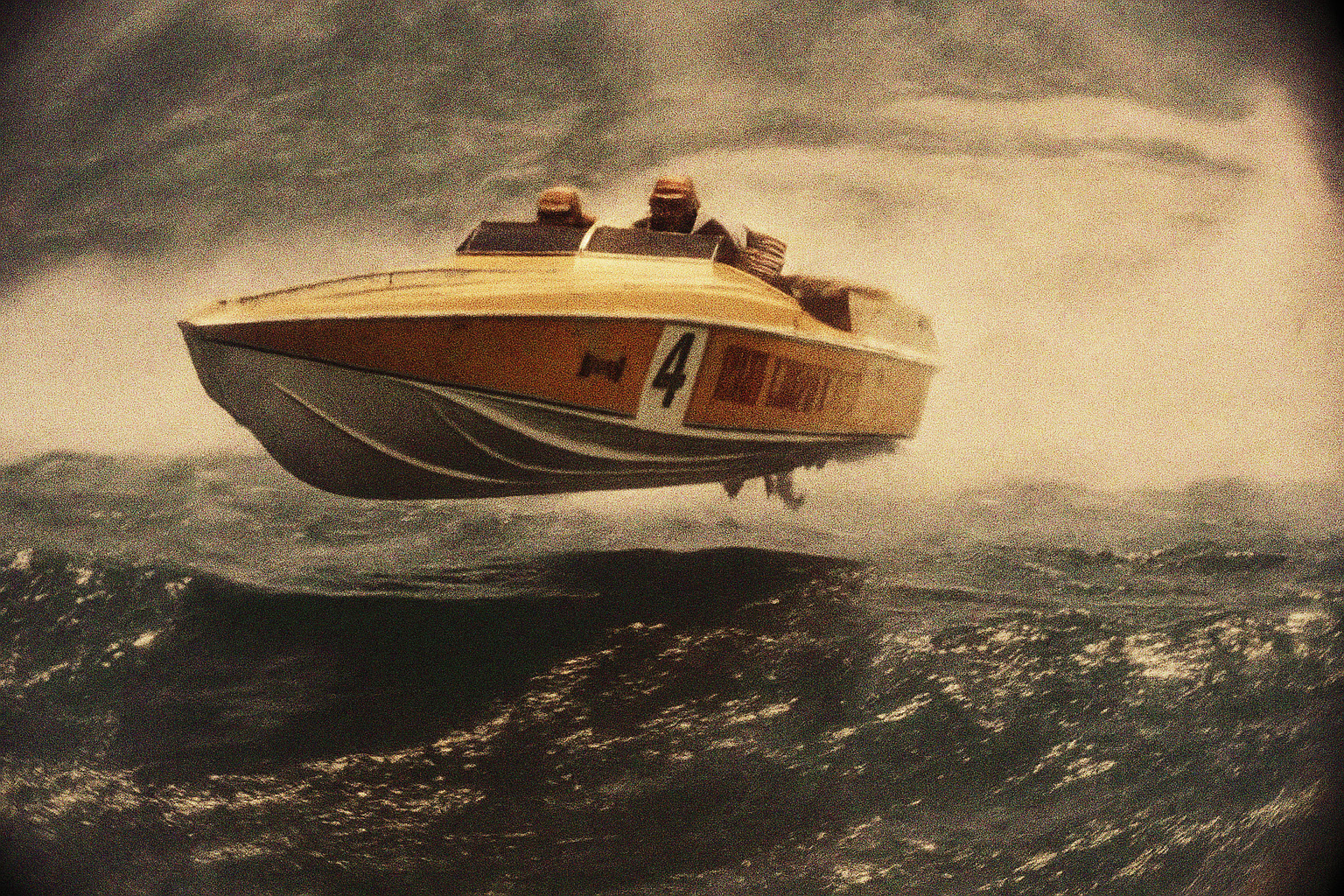
Aronow’s early racing fueled his later triumphs. He won world championships in 1967 (Magnum) and 1969 (Cigarette), plus three consecutive U.S. championships. His boats secured over 350 offshore race victories and set 12 world speed records. However, success bred rivalries. His bold personality—described as a “ballbuster”—created friction. For instance, Benjamin Barry Kramer, a racer and drug smuggler, clashed with Aronow over USA Racing Team ownership. Kramer bought the team but was forced to sell it back due to his criminal record, fueling murder suspicions. Rival boatbuilders like Bertram Yacht and Chris-Craft also competed fiercely, though Aronow’s designs often prevailed.
Alleged Ties to Illegal Businesses
Aronow’s boats attracted controversial clients. Drug smugglers favored Cigarette boats for their speed. Buyers like Meyer Lansky and Robert Vesco raised eyebrows. His “no questions asked” sales policy sparked speculation about criminal ties. Some believed he cooperated with law enforcement, sharing smuggler details. The Blue Thunder boats, designed to combat drug trafficking, angered smugglers. A 1987 Washington Post report noted Aronow’s cooperation with authorities. However, no evidence confirmed his direct involvement in illegal activities or informant status.
The Unsolved Murder
On February 3, 1987, Aronow was shot dead in his Mercedes on Northeast 188th Street. A gunman in a Lincoln Continental fired multiple shots and fled. Aronow, 59, died at Mount Sinai Medical Center. The murder remains unsolved. Theories point to Kramer’s dispute, with him pleading no contest to manslaughter in 1996 while serving a life sentence for drug smuggling. Hitman Robert “Bobby” Young confessed in 1995, claiming Colombian drug lords hired him over Blue Thunder’s impact, but his story lacked corroboration. Friend John Crouse suggested a personal grudge, noting the killer’s sloppy getaway. Despite FBI and Metro-Dade Police efforts, no clear motive emerged.

The crime scene of Aronow's murder. Image by VÉHICULE.
Aronow’s Enduring Legacy
Aronow’s boats transformed powerboating. Collaborators like Jim Wynne, Walt Walters, Harry Schoell, Dick Genth, Elton Cary, Jake Trotter, Knocky House, and Mike Drury built his vision. Their designs and expertise made Formula, Donzi, Magnum, Cary, and Cigarette iconic. Thunderboat Row became a boatbuilding hub. However, Aronow’s alleged criminal ties and 1987 murder cast a shadow.