Perry Design Review: J/40
Fast and handsome multi-purpose yacht with the J Bboat touch
September 13, 2000
Last year saw the launch of J Boats' entry into the cruising boat market. I am sure that the J/40 is the result of a long marketing study; and, to my eye, it appears to be the ideal combination solution for a multipurpose yacht.
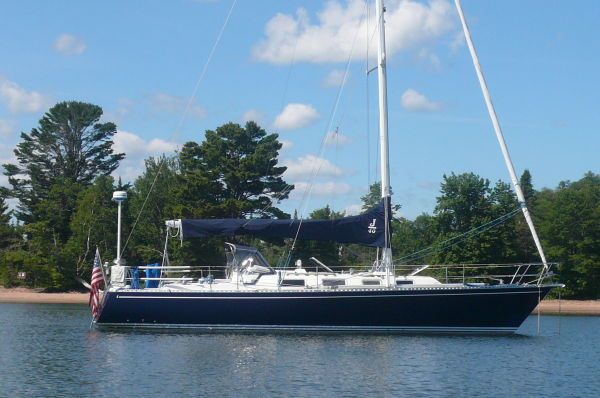
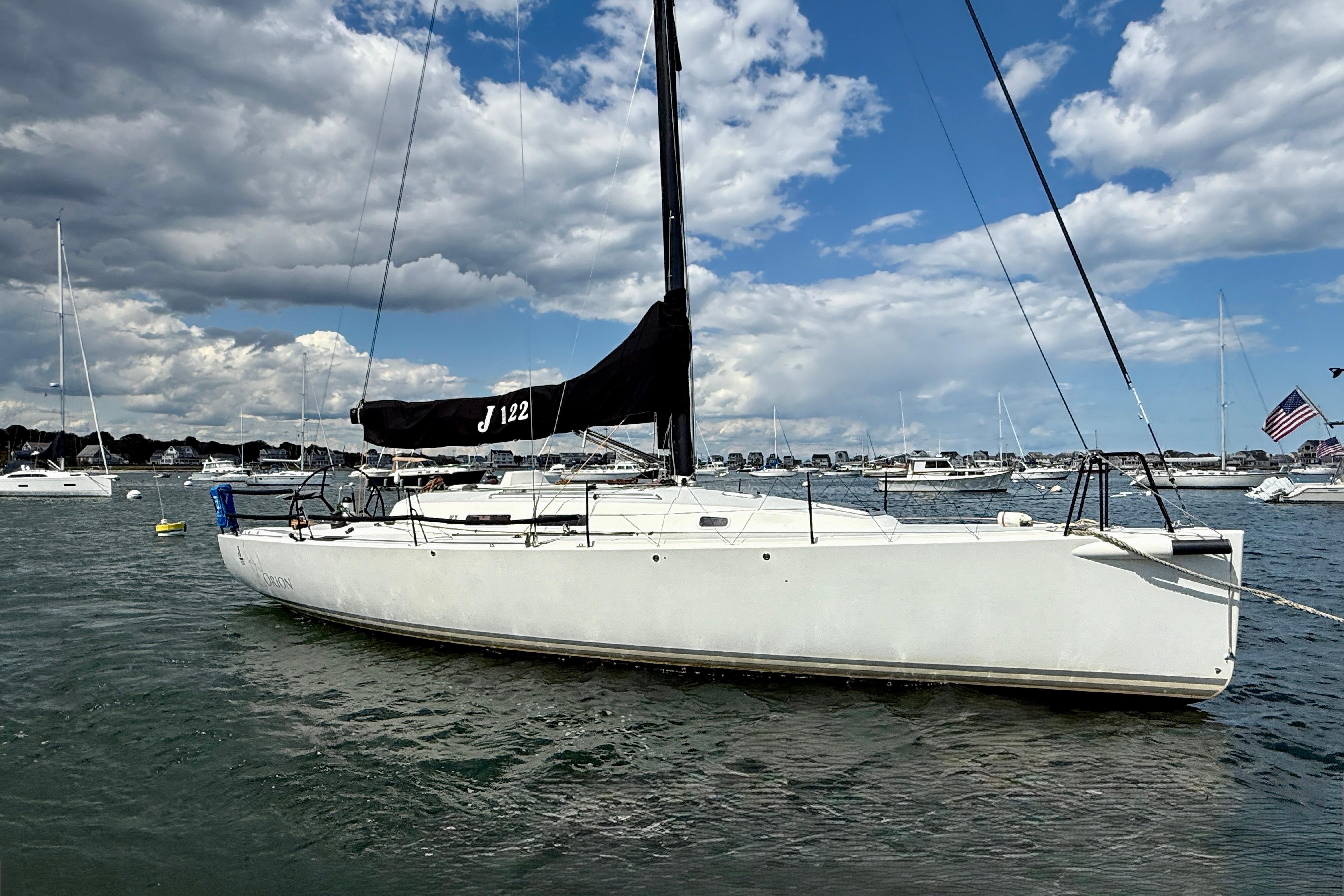
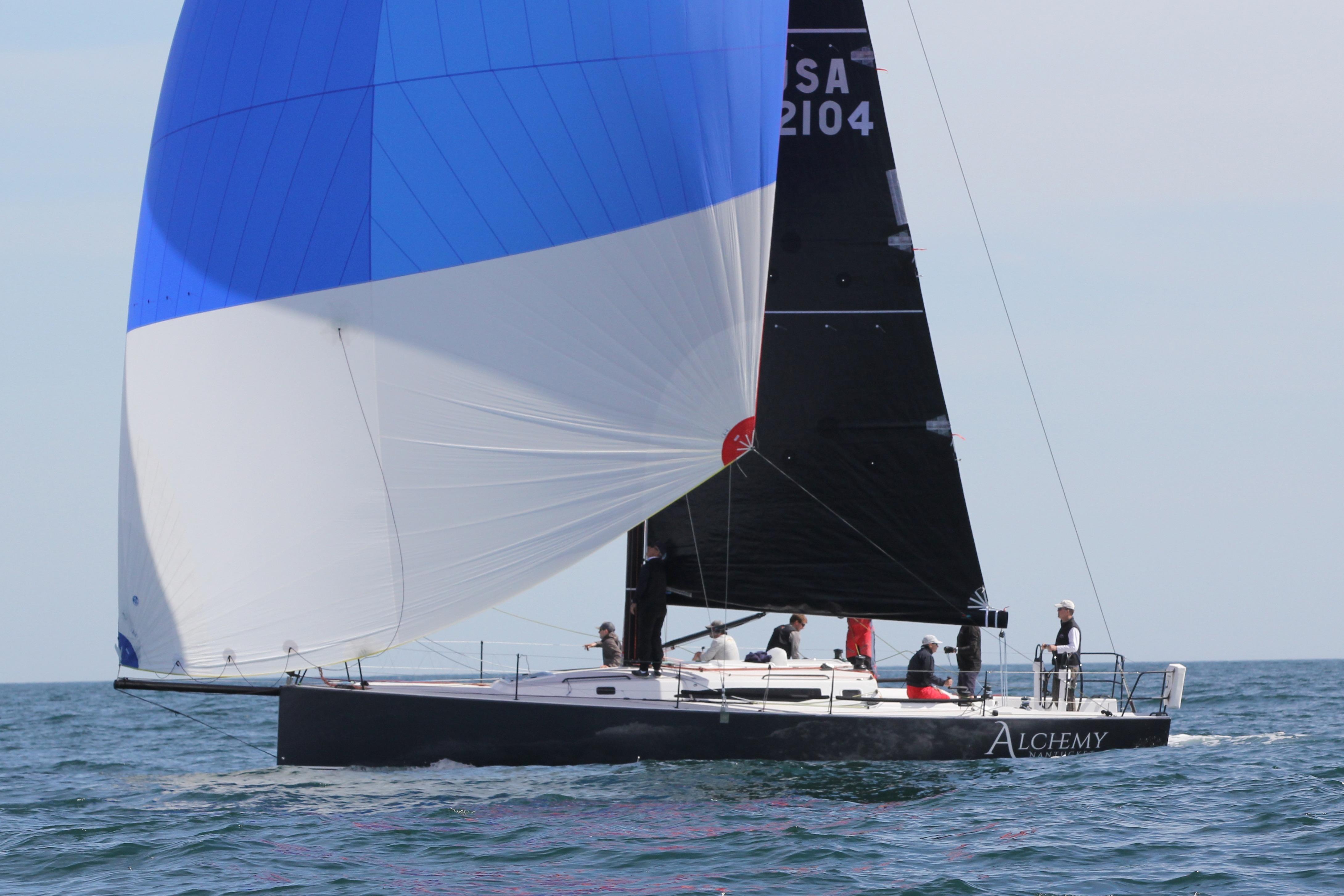
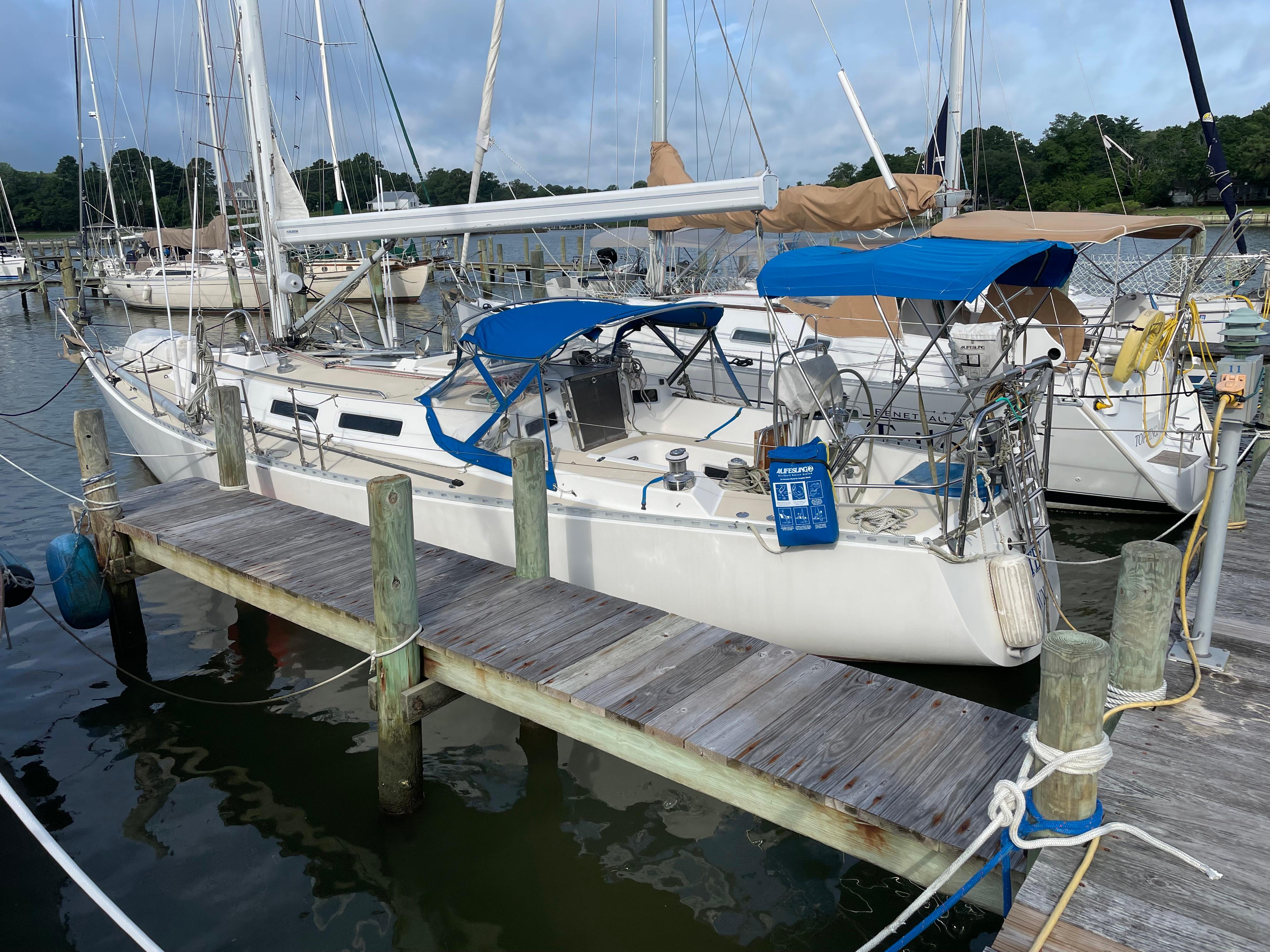
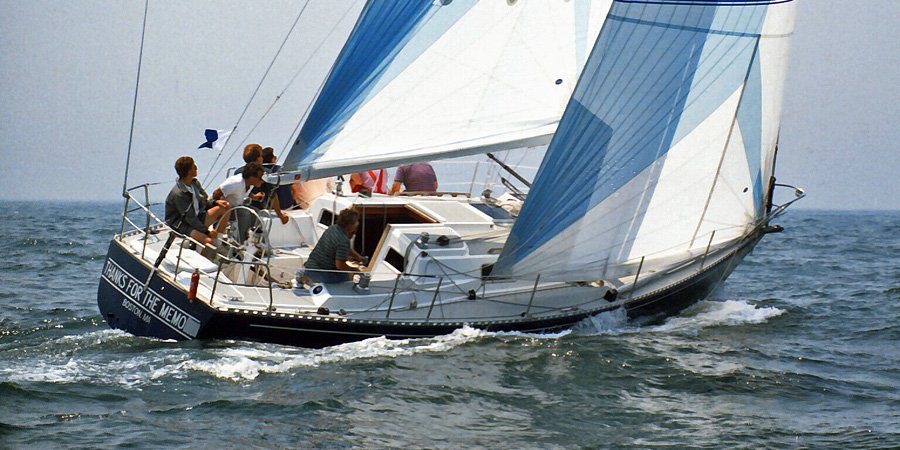
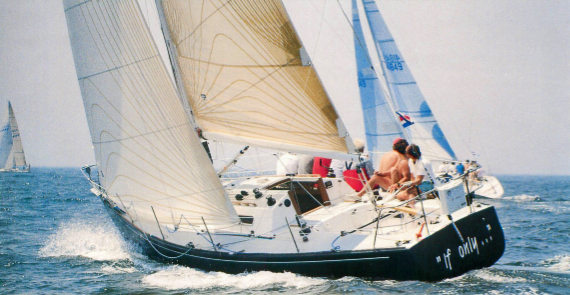
The J Boats J/40.
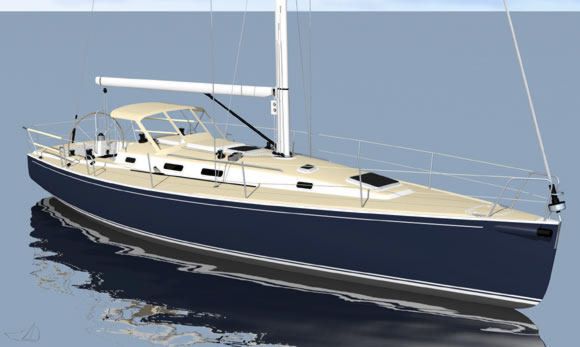
Unfortunately, the drawings are extremely bland and do little justice to the executed design. I am well aware that Rod Johnstone has produced nothing but winners since he first drew the J/24. At the same time I would like to rap him on the knuckles with a scale for not paying more attention to his drafting. The J Boats organization works so quickly that by the time you see a drawing you usually see the finished product on the next page, so the drawings are not important. The J/40 was my favorite boat for 1985.
It might be fun to compare the J/40 with my design, the Valiant 40. Both boats show similar dimensions with identical waterlines and I dimensions. The major difference is that the J/40 weighs 15,500 pounds and the Valiant weighs 23,000 pounds. This works out to a D/L ratio of 176 for the J/40 and 261 for the Valiant. I can remember when several designers attacked the V-40 design on the grounds that it was too light. Well, times have changed and the V-40 has shown otherwise.
We have seen displacements go steadily down over the last 10 years, and so the relatively low displacement of the new J/40 should be no surprise. Studying the hull lines, we see a sectional shape forward with a pronounced V fairing to a low deadrise and low wetted surface midsection. The turn of the bilge gradually hardens as we go aft, resulting in a strong hip at the transom. The transom shape is very typical of the other Js. In profile the boat is not too exciting. The keel is a low-aspect-ratio fin with the ballast all on the bottom two-thirds. The rudder is a balanced space. Draft has been kept to 5 feet even. Note that the rudder is a far aft as possible.
When I first looked at this interior, I wondered why two heads are necessary on a 40-foot boat. Of course there are advantages, but I would rather see a larger galley and perhaps a little more room in the forward head. But, if more space were added to the forward the chainplate, bulkhead would no longer line up with the mast and a more expensive and elaborate chainplate system would have to be used. Perhaps the trick is to leave the aft head and convert the forward head to more general storage and floor space for the forward cabin. On second thought, I guess the layout is just perfect the way it is. Certainly, the equity of the fore and aft accommodations makes this an ideal charter layout. The European touch is hard to miss in this layout. Note the wet locker arrangement in the aft head.
I particularly like the deck layout and the rig of the J/40. The deck shows attention to boat handling efficiency while still providing a relatively comfortable cockpit. The traveler is in the cockpit and separates the steering position from the rest of the cockpit. This could be considered a drawback, but I think that stepping over the traveler is not a problem; although, I have a five-year-old son and this would create a real obstacle for him.
Note the way the cockpit coaming is cut away aft so that the helmsman can sit on the deck, leaving a convenient face on the aft end of the truncated coaming for instruments.
The rig (with a SA/D ratio of 20.23) is powerful, yet is aimed at convenience for the cruiser. Note that the main is large and the foretriangle is small. This may be a function of interior requirements as well as rig provisions. The result is a powerful rig with small headsails. The picture of the J/40 shows lazyjacks on the main.
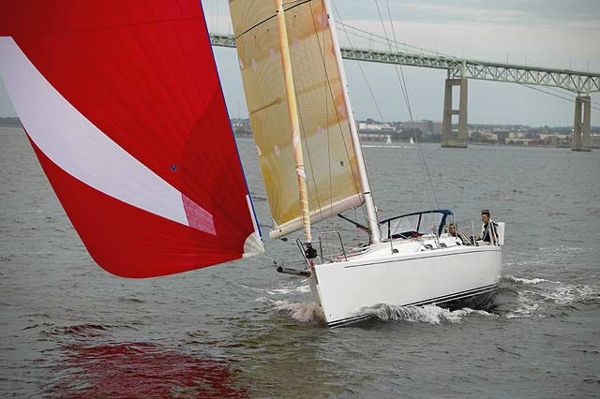
The J/40 is an exciting boat. Considering the origin of this design and the Johnstone brothers' success with their previous models, the J/40 deserves a long look. It will be a fast boat under sail and power; and it is handsome.
Boat Specifications
| LOA | 40' |
| LWL | 34' |
| Beam | 12'2" |
| Draft | 5' |
| Displacement | 15,500 lbs. |
| Ballast | 6,200 lbs. |
| Sail Area | 786 sq. ft. |
 This story originally appeared in Sailing Magazine, and is republished here by permission. Subscribe to Sailing.