Scenic, Prolific Tenmile Lakes
Oregons coastal chain offers bass anglers "numbers"
Drive down Highway 101 along the southwest Oregon Coast and you can't help but breathe in a scenic area that seems to await discovery. Make a strategic left turn near the town of Lakeside and dead-end into the Tenmile Lakes where you can't help but fall in love with both its surroundings and untapped largemouth fishing.
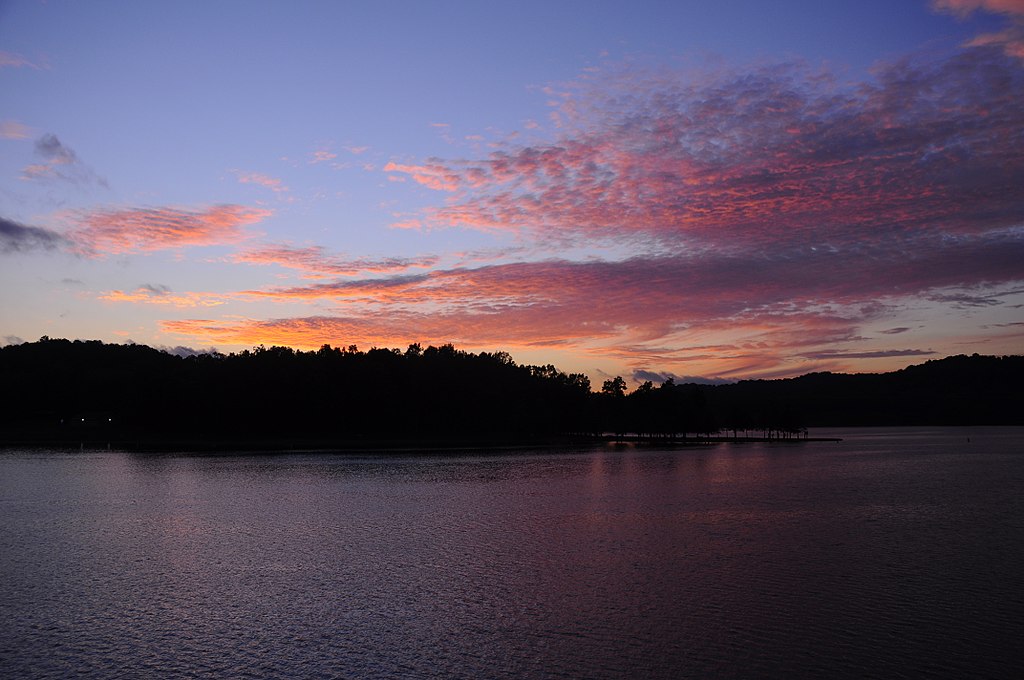
Nestled in the picturesque foothills of coastal Oregon are a pair of natural lakes that form the largest lake system in the region. The backdrop is lush and green from an average of 60 inches of rainfall a year. And the runoff through the hills supplies nutrients to these waters that supercharges its food chain and creates an abundance of natural cover that includes huge lily pad fields, aquatic grasses and willow trees.
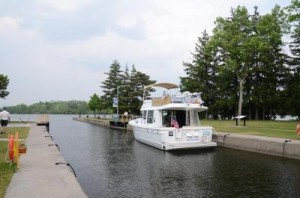
Connected by a navigable canal, North and South Tenmile lakes spread out in all directions with large shallow bays, serpentine arms and countless small fingers. Together, North (1,158 acres) and South (1187 acres) lakes provide 178 miles of fishable shoreline.
And this is one fishery where you can run the bank and enjoy the kind of "numbers" fishing that bass enthusiasts travel to Texas or Florida to experience. The fishing pressure is so insignificant that the shoreline cover still holds plenty of largemouths. Imagine that.
"For numbers and for its average size of largemouth bass, this is the best lake in Oregon," says Renaud Pelletier, the Beaver State's most traveled bass angler and a former BASSMASTERS Classic qualifier. "On a good day, you can catch 30 to 40 fish with some good quality fish — 2 to 5 pounds. And it has a lot of fish in the 6- to 8-pound range that are caught routinely in the late spring. But like the rest of Oregon bass water, it doesn't get much recreational pressure — which helps preserve the fishery."
"Tenmile has what I would call world-class bass," adds Jim Martin, chief of fisheries for the Oregon Department of Fish and Wildlife and an avid bass angler. "It doesn't have the huge mega-bass you have down in Florida or Southern California in terms of average size, but it has huge abundances of bass and wonderful pristine habitat.
"We have a lot of California fishermen who come up purposely to fish Tenmile in the spring. It has a large population of bass and some real high-quality lunker bass — 8 to 10 pounds."
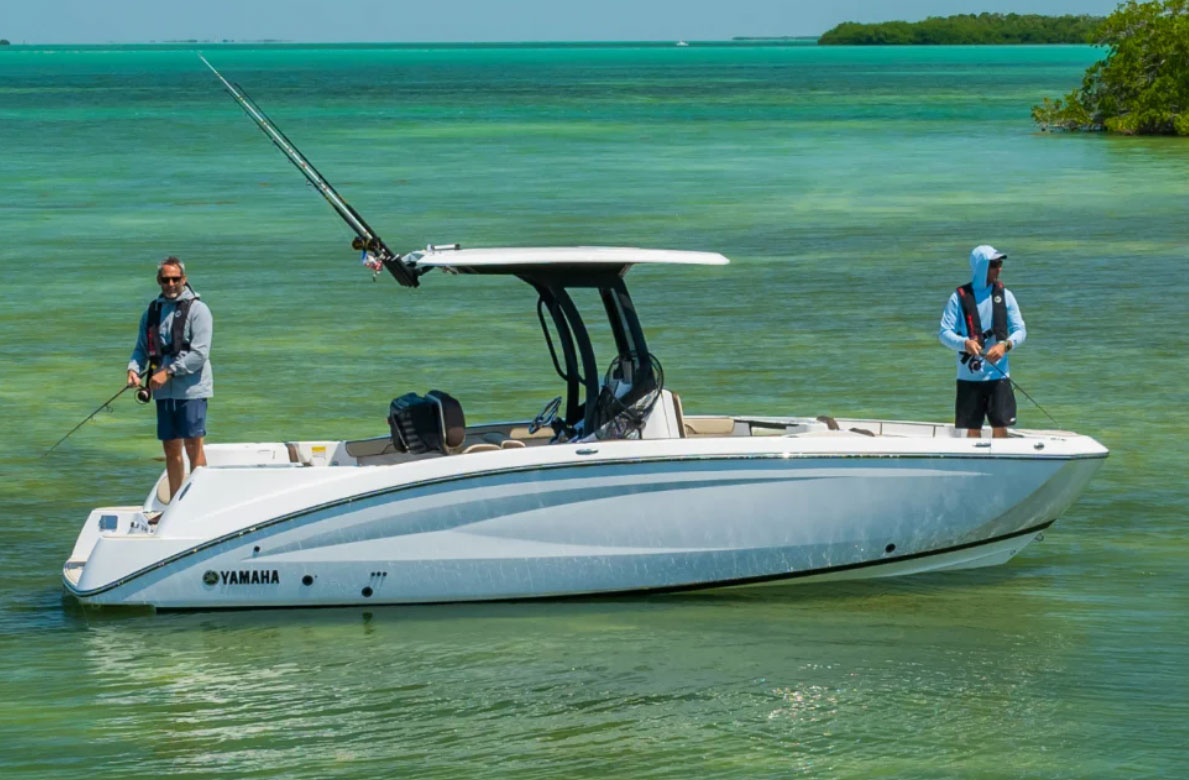
Despite such high praise, we never saw another fishing boat during a visit last June.
The Tenmile Lakes are a unique natural body of water that is in a decades-old process of changing in nature from a cold-water lake to a warm-water fishery. According to biologists, logging operations throughout the years have created siltation problems in these relatively shallow lakes (the average depth is 15 feet with few deep areas) and the water has gradually been warming, promoting the growth of aquatic vegetation and lily pads. As a result, warm-water species like largemouth bass, which were introduced into these waters in 1957, are flourishing, while its traditional cold-water inhabitants like coho salmon and rainbow and cutthroat trout are diminishing.
"It was historically a coho lake, but we lost the coho because of the predation of the bass," Martin explains. "So we essentially traded coho for bass."
Remarkably, there is still a significant winter run of ocean salmon and steelhead that enter the lakes to spawn via Tenmile Creek, which flows from the Pacific through the town of Lakeside. Yet, the Tenmile Lakes have no tidal influence, according to guide Todd Hannah.
By fishing these lakes for the past 20 years, Hannah has had a front-row seat to the changes. Few anglers know these shallow waters as well as this Ohio native who has developed a reputation for his skills as a multi-species guide on southern Oregon's bountiful lakes and rivers.
"Tenmile is a great place to fish because it has so many largemouth in it that the whole family can catch fish," he says. "And it has some big fish in it. I believe the next state record largemouth will come out of Tenmile.
"It's a good year-round lake, but the summer is the best time to fish Tenmile. Once the water temperature reaches 70 degrees, you can catch 20 to 50 largemouths a day by just beating the shoreline. And the weather (60- to 70-degree days) is great, too."
"There is just so much good shoreline cover on this lake," Pelletier agrees. "Most of the shoreline areas are less than 10 feet deep and have an abundance of aquatic growth like elodea, moss, lily pads and some long-leaf grasses. The shoreline also has a lot of willows, which the fish relate to in the early part of the year and in the spring. And there is a large number of boat docks and boat houses that will hold fish."
Tenmile is absolutely loaded with 1- to 3-pound bass, according to local anglers.
In South Lake, Hannon's favorite areas are the Coleman and Templeton arms. In North Lake, he scores consistently by tossing a 4-inch purple Outlaw plastic ringworm and a chartreuse spinnerbait around the railroad trestle pilings that cross the lake (and the shoreline adjacent to the tracks). Those trestles are also Martin's choice fishing grounds.
The daily bag limit on largemouths is five, but three must be 15 inches or less. But Hannah says there is a thriving catch-and-release consciousness on these lakes.
This is a great family fishery situated in an area perfect for family vacations. Catching its bass, generally, is uncomplicated and the lake is easy to navigate. And this wondrous section of Oregon offers plenty for the family to see and do. There is camping, shoreline resorts, unspoiled beaches, waterfalls, clamming, lighthouses, terrific seafood restaurants and whale-watching.
There are two "must-see" natural attractions in this coastal region. The Oregon Dunes National Recreation Area is one of the most unique natural beach sights anywhere. The 47 miles of sand dunes — including some that tower 500 feet high — are accessible by rented off-road vehicles. And the Dean Creek Elk Preserve (on Highway 38 near Reedsport) offers the rare opportunity to view elk. Fifty-five head of Roosevelt elk — the largest of the species — graze on the preserve's marshy pastures in full view of the highway.
This is a special corner of America.
For More Information
Distance from nearest towns/cities: Twelve miles south of Reedsport, near the resort town of Lakeside.
When to go: With its typically mild temperatures, Tenmile Lakes are a good year-round largemouth fishery, but late spring and summer (May through September) is the best time to experience what they have to offer. It is not unusual to average 20 to 50 bass a day once the water tops the 70-degree mark.
Best lures and techniques: Grubs, small plastic worms, jigs, spinnerbaits, weedless spoons and topwater lures (on 6- to 10-pound test line) will produce throughout the year when fished around shoreline cover or docks and boathouses.
Best patterns: The bass spawn during the months of May and June (beginning on the South Lake first) and can be caught on a small dark-colored ringworm around the shoreline willow trees, according to guide Todd Hannah. They will also spawn around the docks, where a worm or small chartreuse- or black-colored spinnerbait will be effective. There is usually good topwater action throughout the summer on plugs and buzzbaits. Shoreline vegetation and the docks will hold good numbers of bass through the fall.
Government agencies: Contact the Oregon Department of Fish and Wildlife, P.O. Box 59, Portland, OR 97207, (503) 229-5463.
Where to stay: For information on accommodations, contact the Oregon Tourism Division, 775 Summer St. N.E., Portland, OR 97310, (800) 547-7842; or the Lakeside Chamber of Commerce, P.O. Box 333, Lakeside, OR 97449, (541) 759-3011.
Fishing information/guides: Todd Hannah, Boat Route Coleman Arm, Lakeside, OR 97449, (800) 428-8585.
Maps: For detailed maps and information on fishing the Tenmile Lakes and more than 1,200 other sportfishing waters, order the book entitled Fishing in Oregon, ($15.95 from Flying Pencil Publications, P.O. Box 19062, Portland, OR 97280; (503) 245-2314.