4th of July Boat Safety Tips
Here are our best boating tips to stay safe on the water this 4th of July.
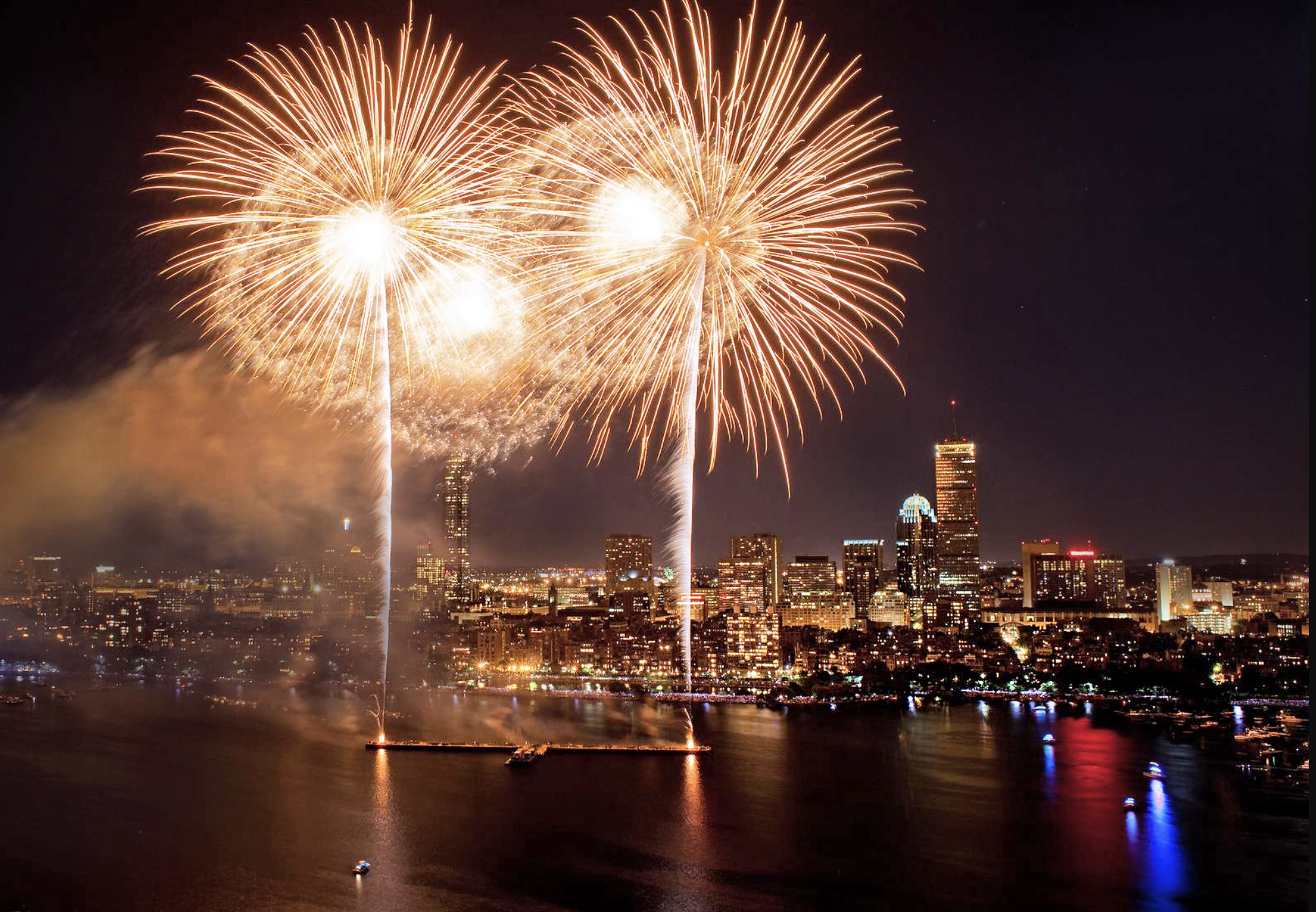
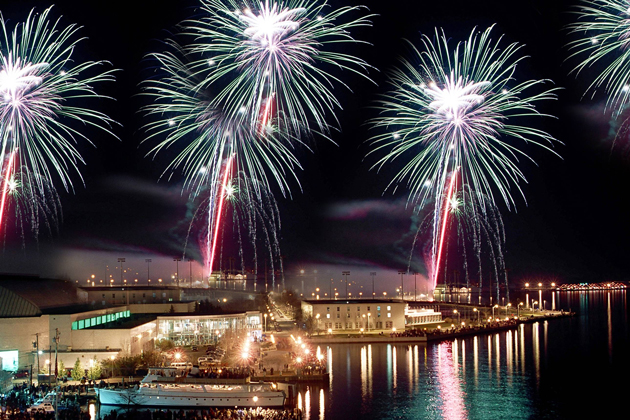
Independence Day 2023 is just around the corner! Falling on a Tuesday this year, this beloved American celebration marks not only the historic signing of the Declaration of Independence from Great Britain on July 4th, 1776 but also one of the biggest boating weekends of the season. And let's face it, what could be more exhilarating than soaking up the Fourth of July festivities on the water with your dearest friends? Picture this: dazzling fireworks painting the night sky, breathtaking water vistas stretching as far as the eye can see, and an electric atmosphere pulsating with celebration. It's the ultimate boater's paradise! As expected, passionate boaters from every corner of the country will be drawn to the majestic waters on this momentous day. But, before you embark on your thrilling Fourth of July adventure, it's crucial to make sure everything is prepared for a safe and enjoyable trip. Here are some top boat safety recommendations for the 4th of July holiday this year.
Prepare Your Passengers
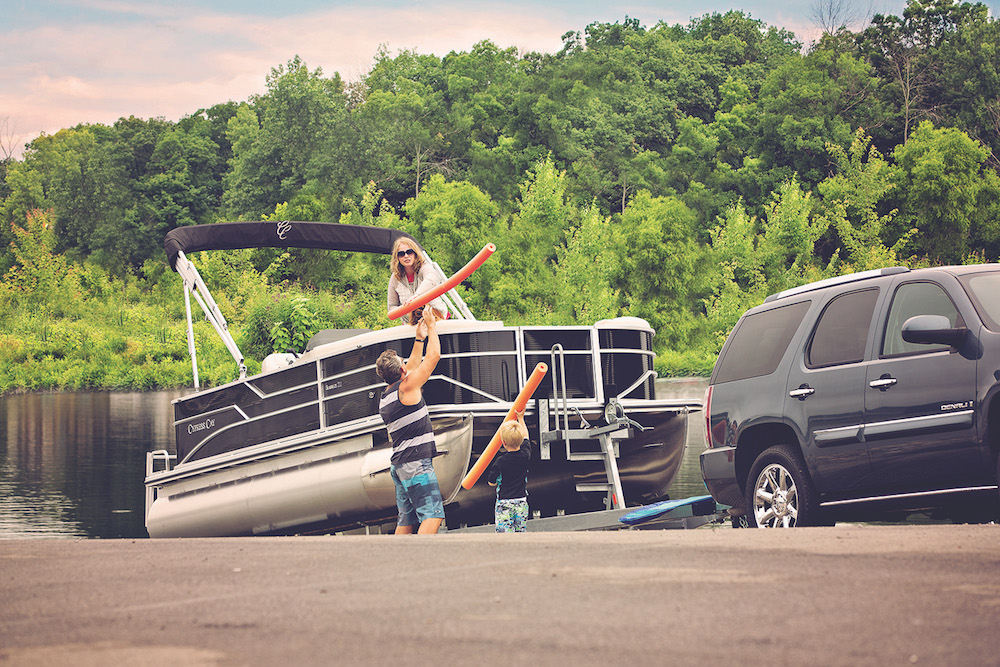
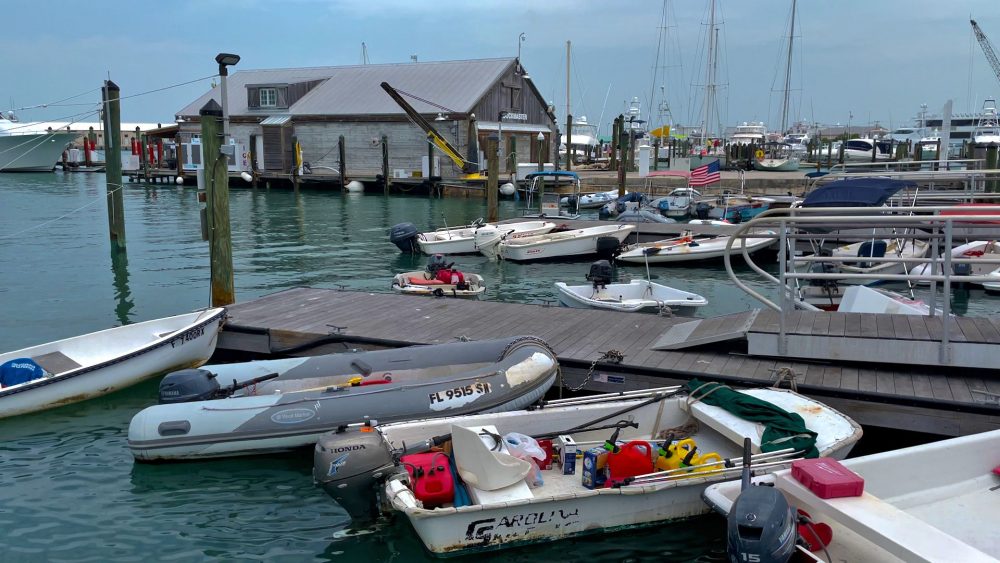
Before you invite your Fourth of July crew, be sure to check the carrying limits and capabilities of your boat. Ensure you’re keeping in mind passengers who may need boarding accommodations and adhering to the boat’s carrying capacity and weight limit. Ask your guests how comfortable they are on the water. You'll want to ensure that you have the appropriate U.S. Coast Guard-approved life jackets for everyone on board, including lifejackets specifically for children if needed. Bringing a dog? Make sure they have one too! Inform guests of where life jackets and other safety gear, like flares, the medical kit, and fire extinguisher(s), are before heading out. Everyone aboard should know how to use this equipment. Check the weather, have a device aboard that allows you to monitor it throughout your trip. And of course, make sure you have plenty of extra sunscreen on board. Before you head out, make a trip to the gas docks or station. With many boats expected out this weekend, lines will be long.
Make a Float Plan
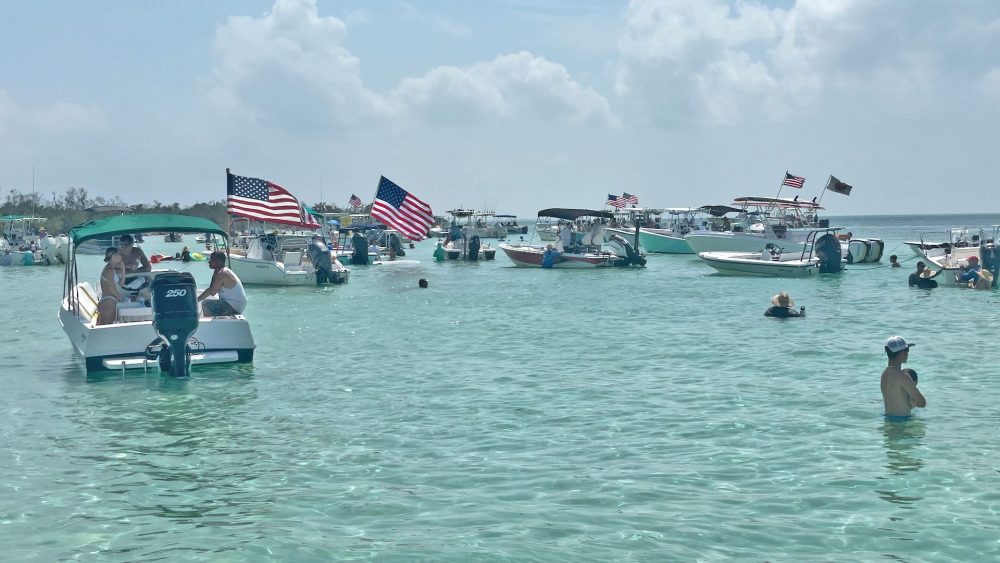
To guarantee a smooth and secure boating experience, it's crucial to take care of your float plan and ensure it includes all individuals on board. Before setting sail, it's highly recommended to file your float plan with a trusted friend or your on-water towing association. This becomes even more essential on the Fourth of July, as you'll be coordinating with other boats for rendezvous. With a multitude of boaters hitting the waters on Independence Day, it's vital to know the designated meeting location and the identities of your fellow floaters. This not only minimizes any potential hassles but also enhances safety measures. When planning to anchor, choose a spot away from the fireworks display area, ensuring your fleet won't be affected. Additionally, communicate to everyone involved that no fireworks should be brought aboard the boat. By following these guidelines, you'll be setting sail towards a Fourth of July adventure that's worry-free and full of excitement.
Coordinate with passengers and your friends at the raft-up to determine who will bring what ahead of time. Pack more than enough water to be sure you’ll have plenty throughout the day and make sure everyone knows what cooler it is in. Underestimating how much your crew will need could send you in early for a variety of reasons. This conversation is a great time to discuss how your crew will handle alcohol on the Fourth and designate a sober driver or skipper, too. Most boating accidents occur over the summer months, particularly on summer holidays, and frequently involve new boaters. Communication is key to safety— making sure everyone aboard knows the float plan and how to operate gear is important in emergency situations.
Monitor Your Boat
Having an accident-free Fourth involves preparing your boat, alongside your crew. Before the Fourth is a perfect time to perform a thorough, mid-season safety check and make sure all electronics and mechanical functions are in operation. Check all systems, from your outboards and anchoring gear to pumps and navigational electronics. Give the VHF a test and charge your phone fully before leaving the docks. VHF radio function can be tested using the FCC-designated channel, VHF Channel 09.
Prior to embarking on your Fourth of July adventure, it's crucial to conduct thorough inspections of all safety equipment, such as fire extinguishers and flares, to ensure they are up to date and fully operational. Take a moment to assess the contents of your onboard medical kit and restock any necessary supplies. Additionally, double-check the validity of your insurance policies and on-water-towing membership coverage. Don't forget to inspect and replace any faulty navigational and interior lights as needed.
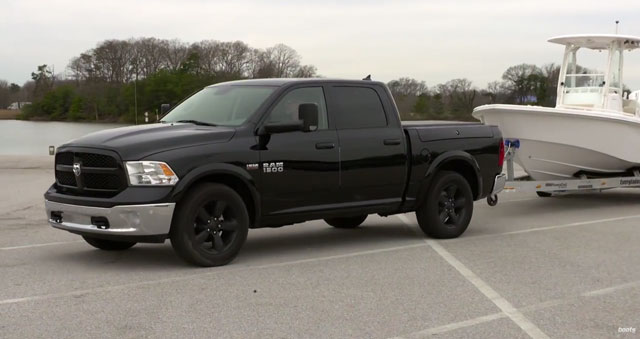
If you're trailering your boat, it's essential to test all lights and components to ensure proper functionality. Throughout your journey, remain vigilant about monitoring fuel and battery levels, as well as the charge on your phone. It's equally important to keep a watchful eye out for swimmers, paddlers, and personal watercrafts (PWCs) throughout the day. While they may not be as conspicuous as other boats, they are likely to be out and about this weekend. By taking these precautions, you'll be well-prepared to navigate the waters with confidence, ensuring the safety of yourself and others on this thrilling holiday.
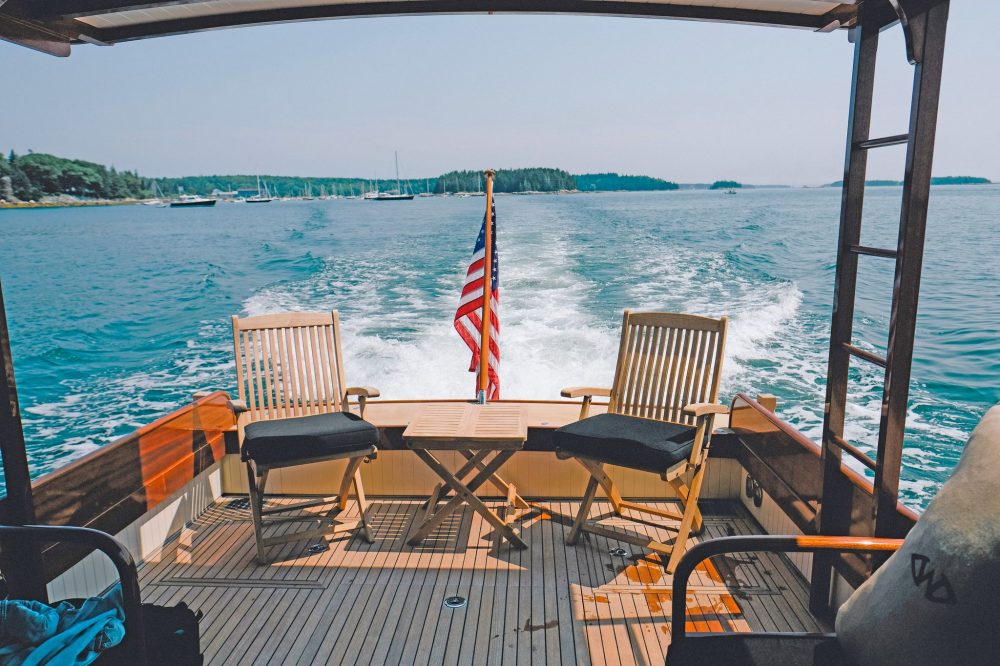
Independence Day is the ultimate boating holiday, so let’s make sure it’s memorable in all the best ways. Not sure where to hit the water? Check out our guide to the Best Fourth of July Boating Destinations.
Editor's Note: This article was originally written in June 2022 and last updated and re-written on June 29, 2023.