Comprehensive Guide to Boat Propulsion Systems
Boat owners face many choices when selecting or upgrading propulsion.
December 27, 2025
Boat owners face many choices when selecting or upgrading propulsion. Each system offers distinct handling, efficiency, maintenance needs, and performance characteristics. This guide covers the major types used in recreational and smaller commercial vessels, from traditional designs to modern alternatives.
Outboard Motors
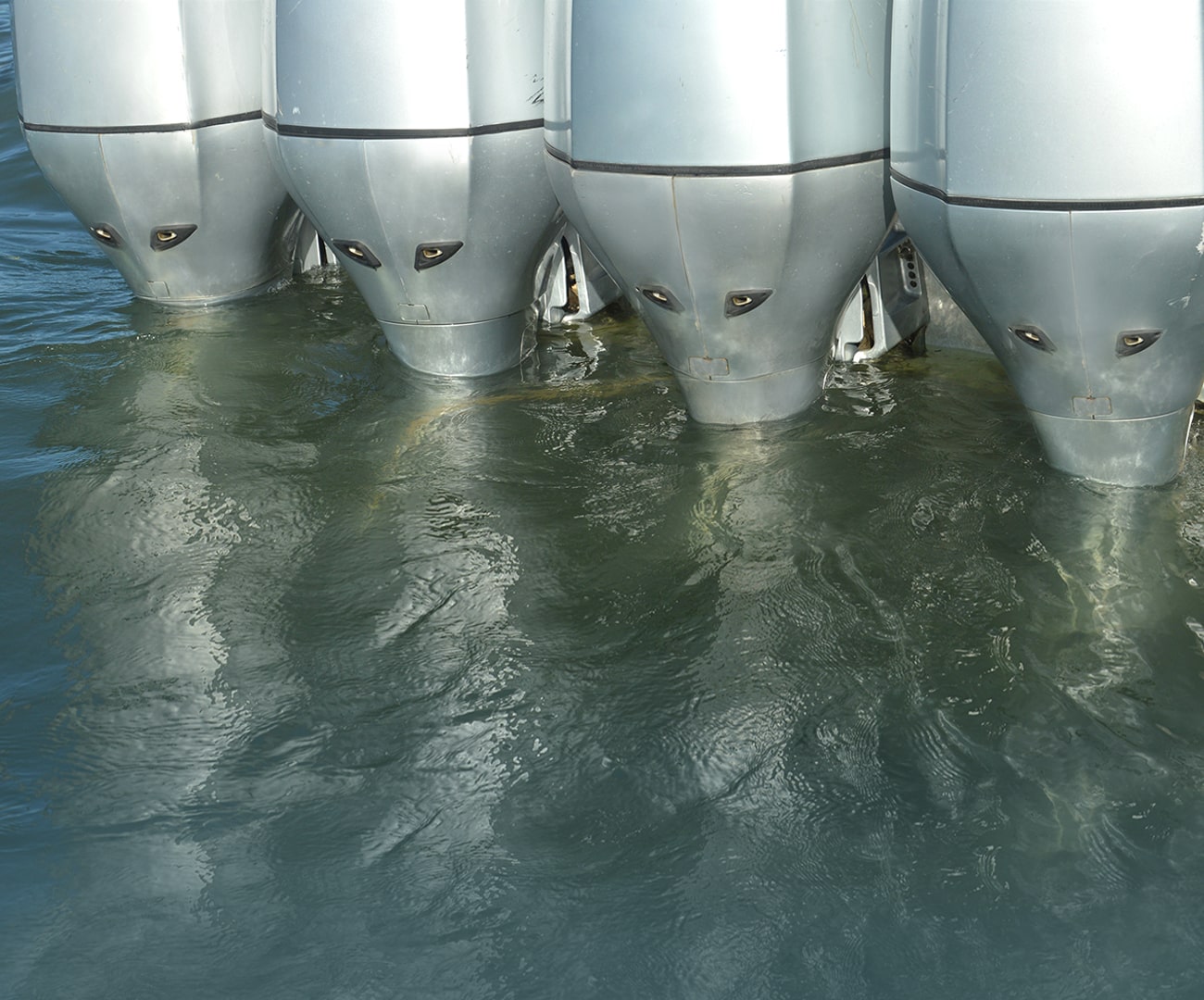
Outboard motors mount entirely on the transom. The engine, gearbox, and propeller form one unit that tilts up and steers by pivoting. This setup provides easy access for service and allows removal for storage or security. Modern models range from small portable units to high-horsepower options over 600 hp.
Boaters favor outboards for smaller vessels like center consoles, inflatables, and fishing boats up to 50 feet or more in multi-engine setups. They excel in shallow water and offer quick repowering.
Inboard Engines
Inboard engines install inside the hull with a shaft running straight through the bottom to a fixed propeller. Steering comes from a separate rudder. Variations include direct drive for watersports and V-drive for mid-engine placement.
This configuration delivers low center of gravity for stability and strong low-end torque. Diesel inboards suit displacement hulls and larger cruisers over 30 feet.

Engine types, image by VÉHICULE
Sterndrive (Inboard/Outboard or I/O)
Sterndrives place the engine inside the hull but use an external drive unit on the transom that tilts, trims, and steers. This hybrid balances interior space with outboard-like handling.
Many recreational boats in the 20- to 45-foot range, such as bowriders and cuddy cabins, use sterndrives. They provide good performance for family use and watersports.
Saildrive
Saildrives mount the engine low in the hull with a leg extending through the bottom to the propeller. This design replaces traditional shaft and strut setups in sailboats.
Saildrives reduce drag and vibration while simplifying installation. They appear commonly in modern sailboats from 30 to 50 feet, often with folding propellers for better sailing performance.

Folding saildrive, image by VÉHICULE
Pod Drives
Pod drives feature steerable units mounted under the hull, powered by inboard engines. Models like Volvo Penta IPS use forward-facing counter-rotating propellers, while others like azimuth thrusters rotate 360 degrees. Joystick controls enhance docking.
Pods offer excellent maneuverability, fuel efficiency, and quiet operation. They suit modern power cruisers and yachts over 35 feet, especially in twin or multi-engine configurations.

Pod Drives, image by VÉHICULE
Surface Drives
Surface drives, including Arneson and similar articulated systems, position propellers to pierce the water surface at speed. Only half the blades submerge, reducing drag.
These systems target high-performance boats seeking top speeds over 50 knots. They work well on offshore racers, catamarans, and custom speedboats but require skilled handling at low speeds.
FULL DOCUMENTARY:
Waterjet Drives
Waterjets draw water through an intake and expel it via a nozzle for thrust. No exposed propeller exists, and steering occurs by directing the jet.
They provide safety around swimmers, excellent shallow-water capability, and strong acceleration. Personal watercraft, jet boats, and some high-speed ferries rely on waterjets, though fuel efficiency lags at cruise speeds.

Waterjet Drives, image by VÉHICULE
Making the Right Choice
Factors like boat size, typical speeds, water depth, fuel availability, and environmental concerns guide the choice. Many owners test multiple systems on similar boats before deciding. Dealers and user forums offer practical insights for specific needs. The right propulsion enhances reliability and enjoyment on the water.