Lessons from the Dolce Vento Incident and Key Considerations in Boat Design and Launch
Luxury yacht sinking highlights importance of stability, design, and launch preparation.
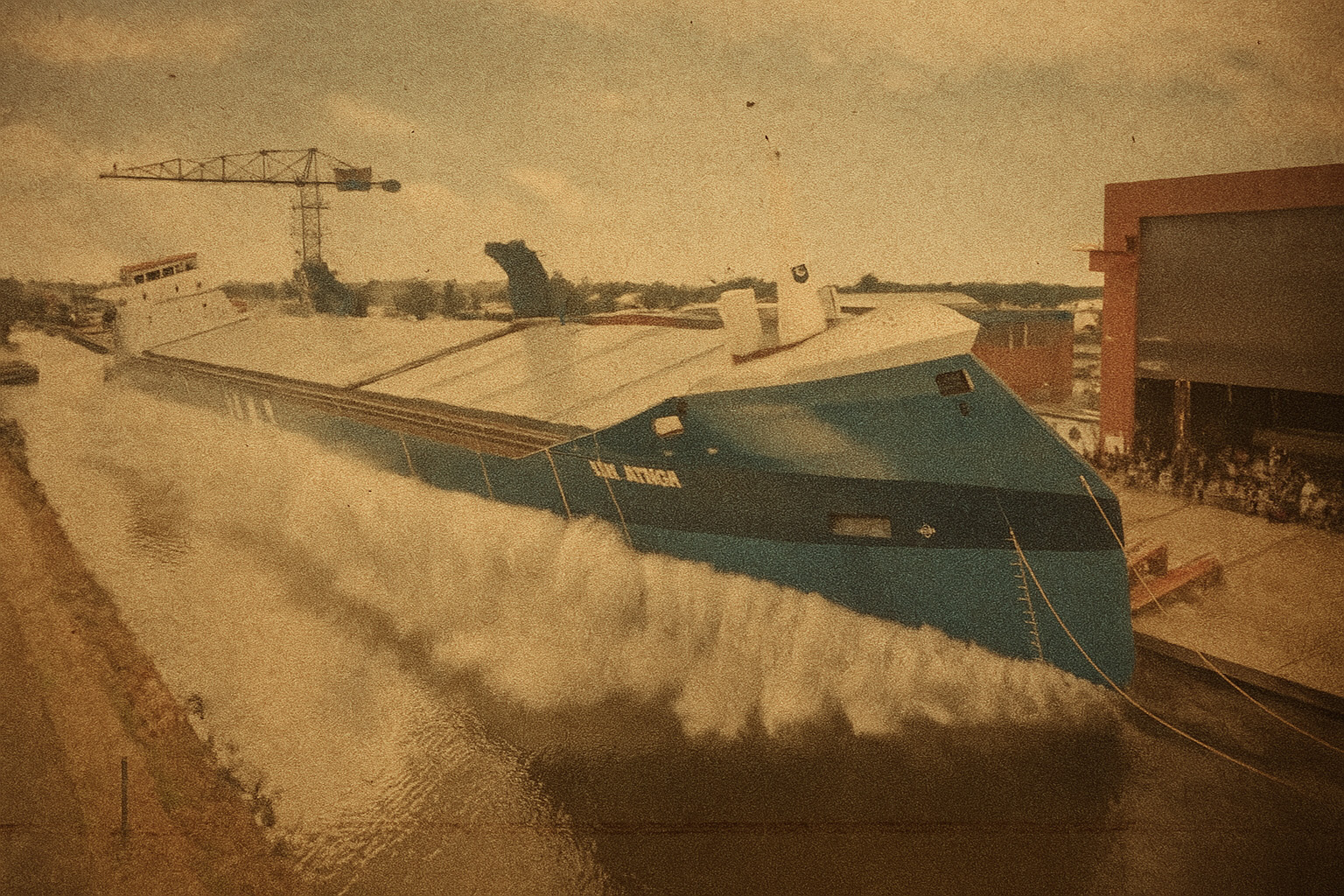
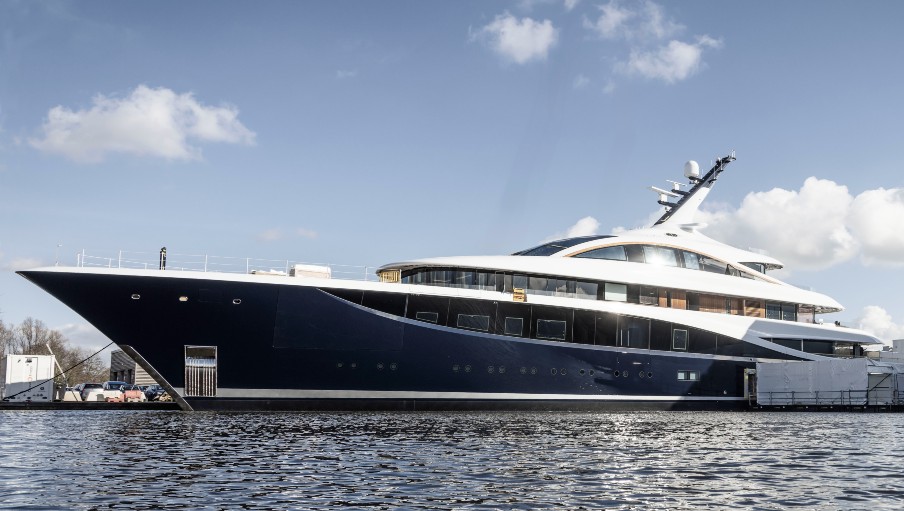
In September 2025, the luxury yacht M/Y Dolce Vento sank soon after its first launch near Ereğli, Zonguldak, Turkey. Video from the launch shows the 24-metre motor yacht capsizing about 15 minutes after it entered the water. As a result, the owner, the captain, and two crew members jumped into the sea. All four people swam to shore safely. Shortly after, local authorities and the shipyard began a technical investigation.
At this stage, officials have not released the final results of the investigation. However, the Dolce Vento incident already highlights common risk areas. In particular, it points to issues in design, construction, and launch preparation.
Stability and Weight Distribution
First, stability is critical for any vessel. It allows a yacht to stay upright and resist wind and waves. Naval architects calculate the centre of gravity and metacentric height to predict stability. If these values are wrong, serious problems can occur. For example, poor weight distribution can make a yacht top-heavy.
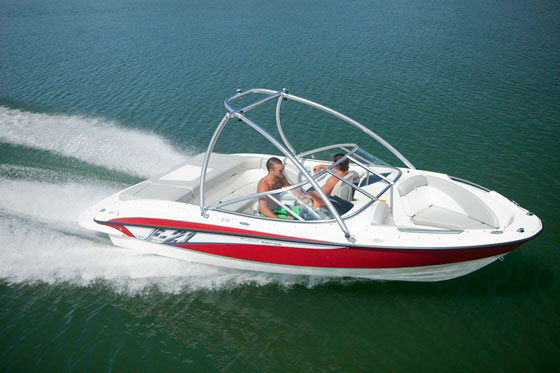
In addition, hull shape strongly affects stability and handling. Different hull designs balance speed, comfort, and safety in different ways.
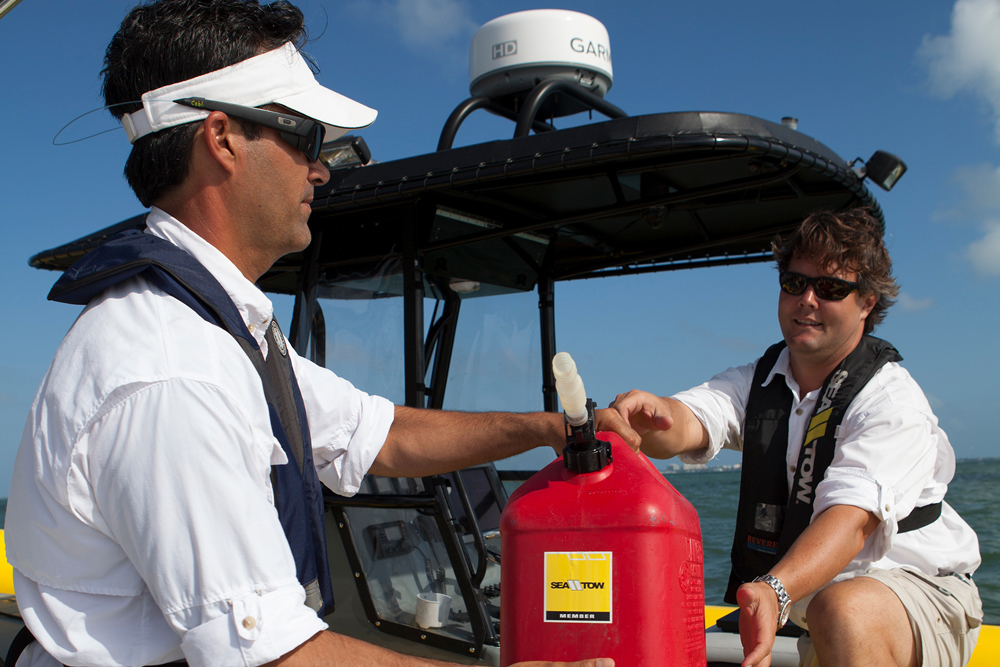
Fuel, water, equipment, and optional features also affect balance. Therefore, designers must account for them early. Otherwise, a yacht that seems stable in dry dock may behave very differently once fully loaded.
Design and Construction Quality
Next, design and construction quality play a major role after launch. Hull shape, structure, and materials must match the yacht’s size and weight. When they do not, safety margins shrink quickly.
Furthermore, builders must use marine-grade materials and proper sealing methods. Poor seals, weak drainage systems, or small structural parts can allow water to enter the hull. Over time, this can reduce buoyancy.
Several common design mistakes are explained in 10 Powerboat Design Flaws to Avoid.
Pre-Launch and Commissioning Checks
Launch day is not only symbolic. It is also a technical test. For this reason, teams must follow a detailed pre-launch checklist. These checks confirm that propulsion, electrical systems, and safety equipment work correctly.
A clear overview of this process appears in Boat Pre-Launch Checklist.
After launch, controlled sea trials should follow. During these tests, crews observe trim, draft, and handling. If problems appear, teams can adjust ballast, equipment placement, or tank levels.
Operator Familiarity and Early Use
Finally, operators need time to learn how a new yacht behaves. Early familiarity improves safety. In addition, good seamanship and awareness of local conditions reduce risk during the first voyages.
Conclusion
In conclusion, the sinking of Dolce Vento shows why stability, design quality, and launch preparation matter. Accurate calculations, careful construction, and proper testing all reduce risk. While investigators will confirm the exact cause, these principles remain essential for safe yacht launches.

The luxury motor yacht Dolce Vento lists and sinks shortly after its maiden launch off Ereğli, Turkey, in September 2025, Image by VÉHICULE