Boat Taxes: All the Basics
Many of us dread Tax Day on April 15th—boat owners included. Here's everything you need to know when it comes to learning how to deal with boat taxes.
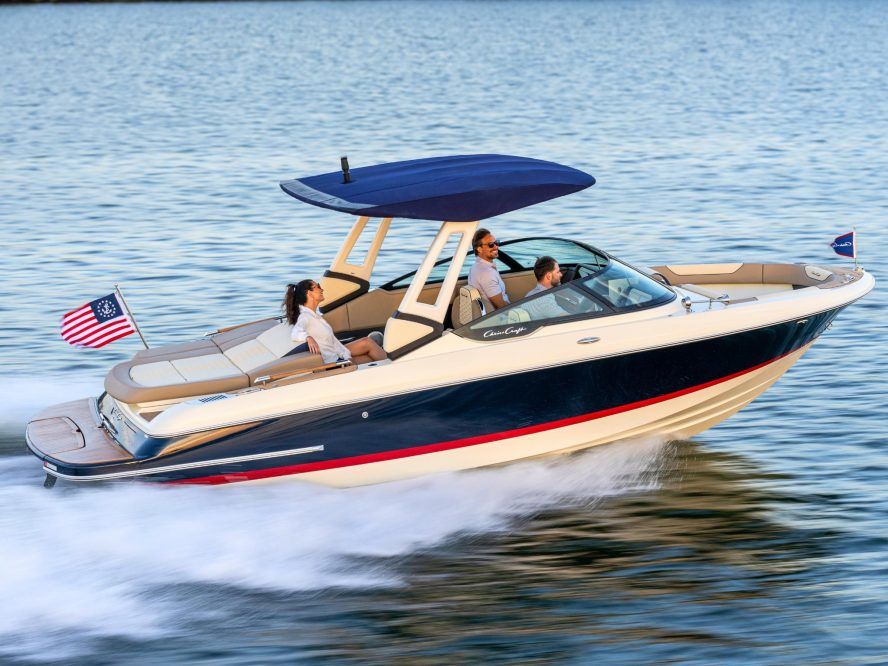
Boat taxes? Ugh. Yes, the taxman still cometh, even for your new Whaler. So if you’ve got a boat (or you’re eyeing one), you’ll want to know what’s new.
Boating may be your great escape, but taxes? Not so much. That said, understanding how your vessel fits into the 2025 tax landscape can help you keep more cash for fuel, upgrades, or another weekend at the sandbar. And here’s the fun part: not all tax news is bad. In fact, some of it might make you feel like a financial captain of your own ship.
Whether you're writing off your floating office, deducting interest on that gorgeous cruiser, or dodging double taxation between state lines — the rules have shifted a bit this year. So pour yourself a strong cup of marina coffee, and let’s break it down.
The 3 Main Types of Boat Taxes That Boat Owners Pay
First, there’s the sales tax, which you likely will have to pay when you buy the boat. This rate varies by state, and the swings can be big. Delaware and Rhode Island still do not require a sales tax at all. Some states cap the amount subject to tax—for example, New Yorkers still pay sales tax on only the first $230,000 of a purchase. In North Carolina, it’s 3% capped at $1,500, while in Florida it’s 6%, and in Texas 6.25% (plus local surcharges).
Generally, you shouldn’t have to pay sales tax in more than one state. But if you buy in a state with no sales tax and move the boat to a state that does tax usage, you may face a use tax. That’s where shopping smart across state lines can matter—a lower use tax may save you more in the long run.
And once you own your boat, there’s often a personal property tax due annually. Some regions try to attract boaters by waiving this. Virginia Beach, VA, for instance, drops this tax entirely for boats docked there for six months and one day out of the year.
Deduction 1: Second Home Mortgage Interest
If your boat qualifies as a second home, you may be able to deduct mortgage interest—so long as it has sleeping, cooking, and toilet facilities. The 2025 cap remains $750,000 in total mortgage debt (primary plus second home). Just don't try it with a center console. Think cruisers, trawlers, or yachts with cabins.
Deduction 2: Business Entertaining Aboard
If you’re a business owner and use your boat to entertain clients, this can qualify for deductions—under specific IRS conditions. You’ll need to prove legitimate business discussions took place and that the entertainment was directly related to business purposes. Fishing charters, dockside meetings, or sunset client receptions could qualify, as long as they’re documented.
Deduction 3: Boats as Primary Residences
Living aboard? If your boat is your primary residence, you can qualify for mortgage interest deductions and capital gains exclusions (if you sell it later at a profit). Requirements include full-time use and proof like mail delivery or voter registration tied to the boat’s address.
For more on the financial side of boat ownership, check out these helpful guides: