Center Console Boats On Fire
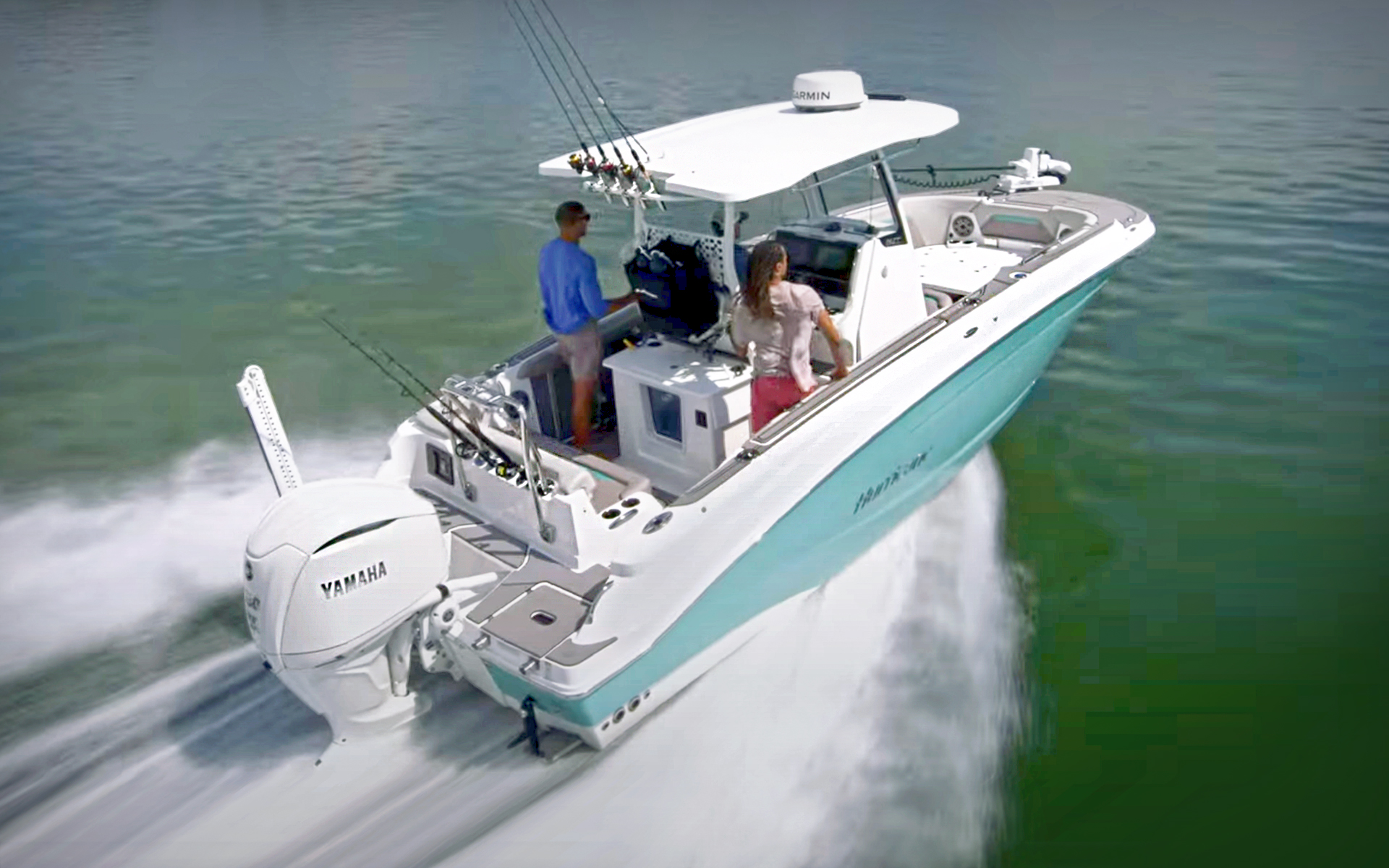
As consumer tastes evolve, the center console design is proving to be exceedingly popular—and boat manufacturers of all types are getting into the game.
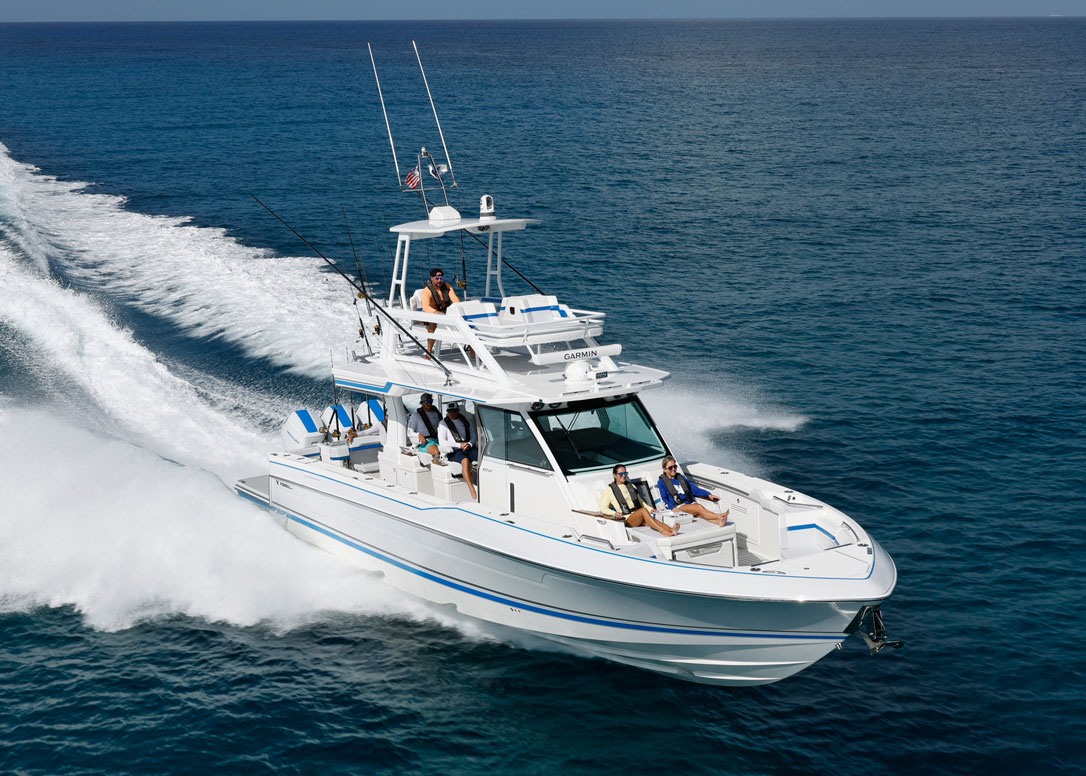
It’s no secret that center console boats have been growing in popularity, but just how fast and just how significant that growth has been recently is rather amazing. A wide range of boat builders have begun manufacturing center consoles, following in the footsteps of classic center console manufacturers like Boston Whaler, Grady-White and Contender. Many of the new center consoles being produced include models from a number of brands that previously hadn’t built fishing boats at all. That’s no wonder considering that according to National Marine Manufacturers Association (NMMA) data, over half of all saltwater fishing boats sold in the United States are center consoles. But now CC popularity has grown beyond the saltwater market, and these boats have become common in both fishing and even day-cruising models all across the country.
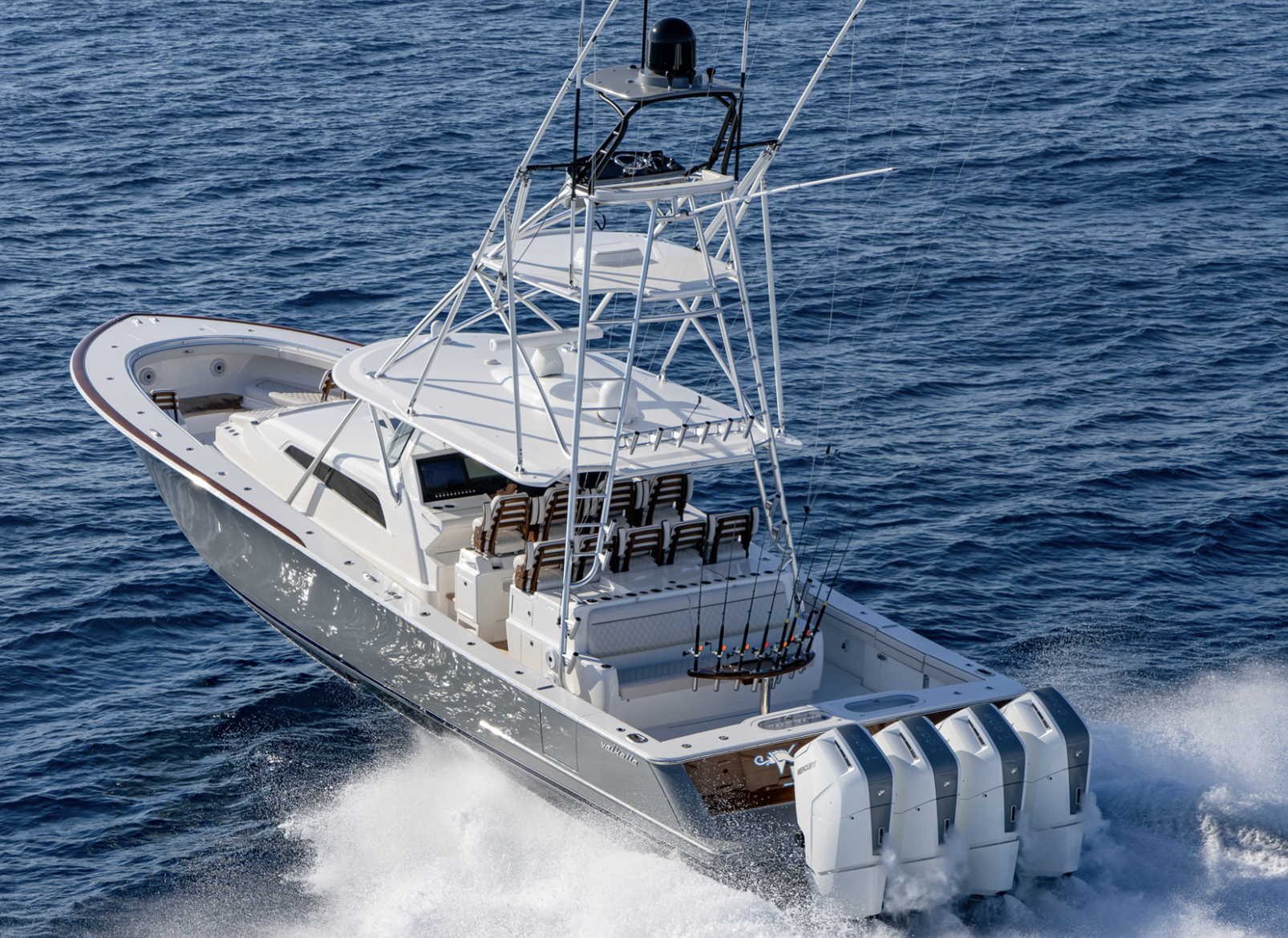
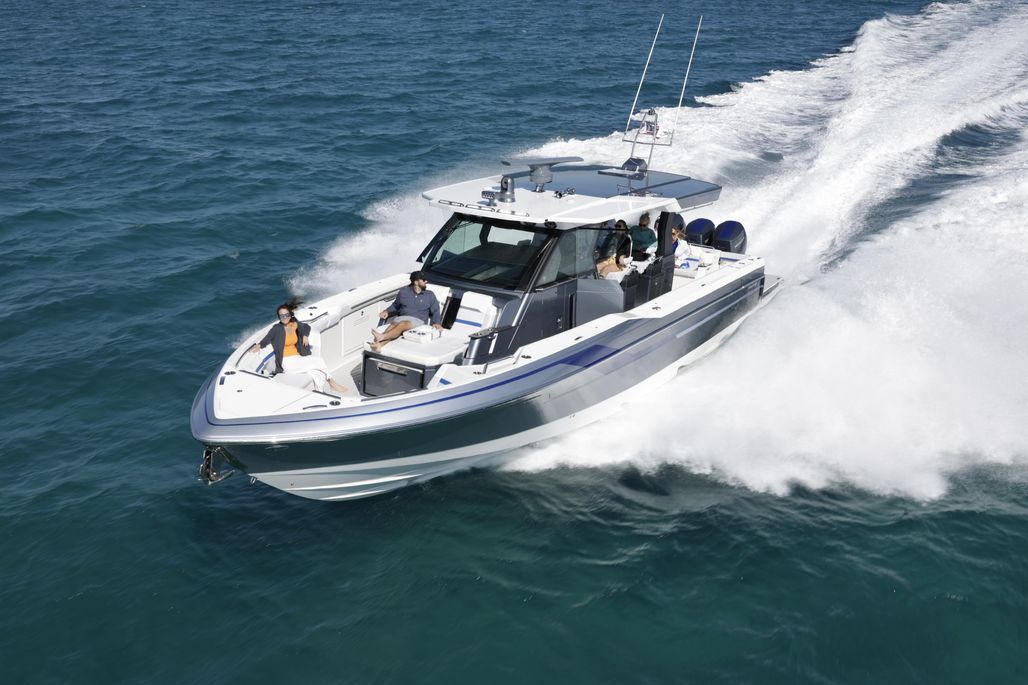
One of the biggest indications that there’s been a revolution among the boating public and their attitude towards center consoles came when Viking Yachts decided to begin building center consoles and launched the Valhalla Boatworks line up with its first V-series models, including boats like the Valhalla V-37.
Viking is one of the most successful boatbuilding companies in the country, and has been building large inboard sportfishing yachts since the mid-60s – not outboard center consoles. Yet the immense growing popularity of this genre of boat led them to decide that it was time.
Similarly, fishing yacht builder Bertram recently announced their intention to expand into the outboard powered center console world as well.
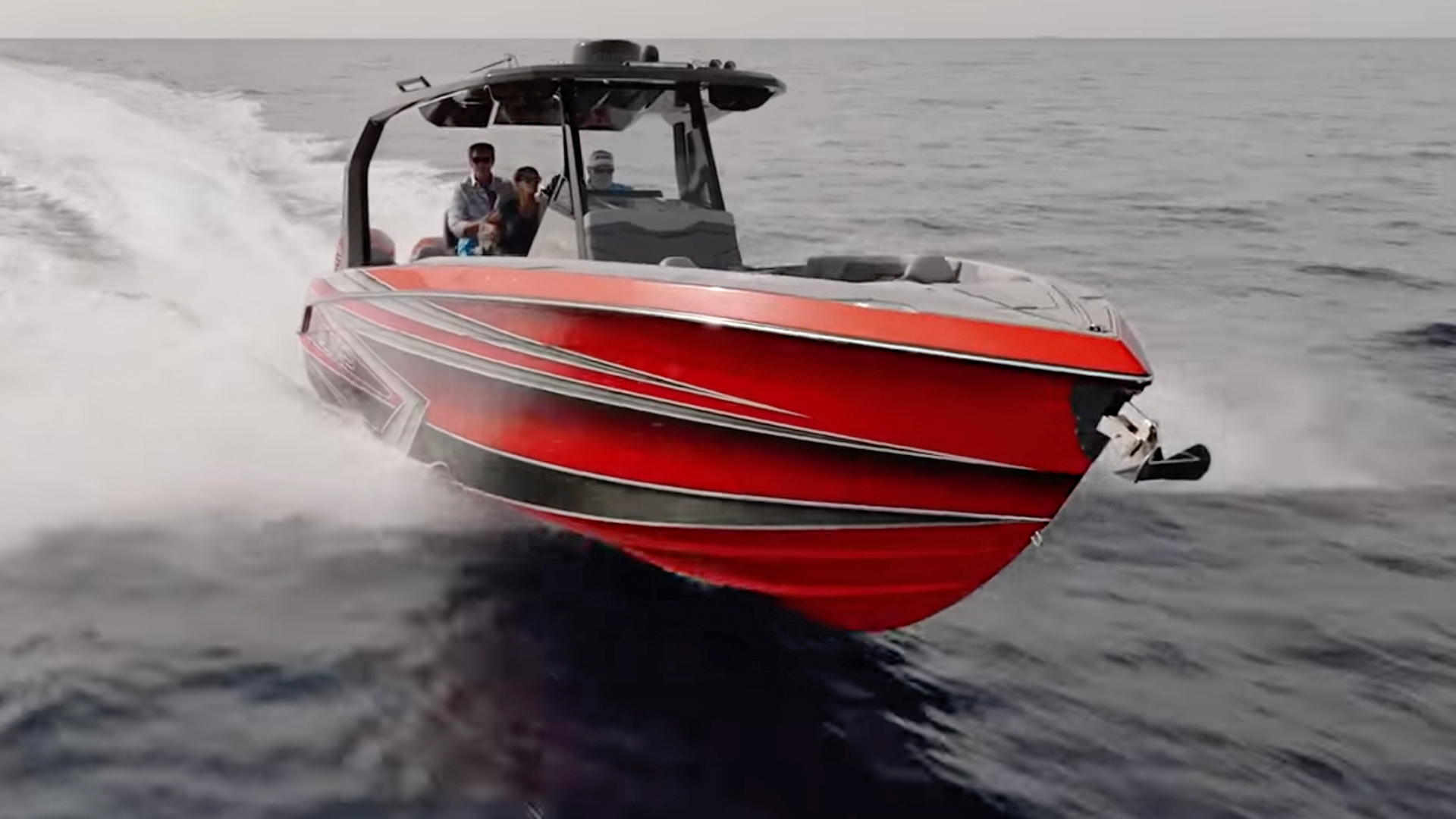
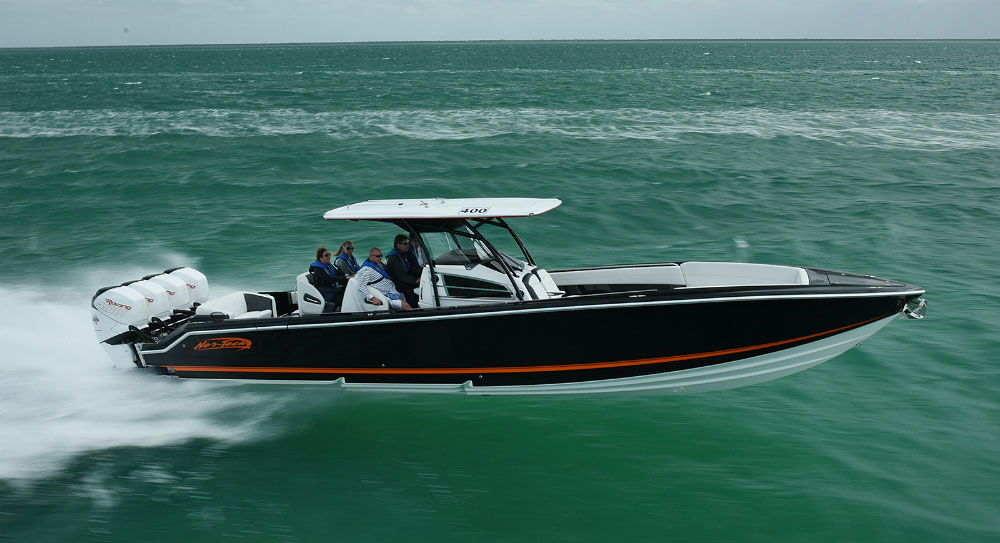
Several other forward-looking companies saw the writing on the wall earlier, and expanded into the center console market as this revolution first began. Performance boat builder Nor-Tech began building center consoles designed for the speed-loving crowd as opposed to anglers – without so much as a pair of rodholders aboard – several years ago. And now, they offer a line including five different CCs. Some, like the Nor-Tech 450 Sport Center Console, has proved to be just as popular in the inland freshwater market as it is on the coast. Similarly, the Sunsation 40 CCX, a speed boat designed to break the 75-mph mark, is built solely for thrills and doesn’t have a single fishing accessory aboard. Or consider that Chris-Craft, long known for its cruisers and dayboats, developed a single center console years ago but then expanded the line to include a wide range of models ranging from their Catalina 23 to the Catalina 34.
Completely different types of center consoles have also been making inroads in a surprising number of different markets. In Europe, for example, where inflatable boats are popular for recreational boating, center console RIBS are taking off. There are some niche markets here in the U.S. (such as sailing organizations, Coast Guard or police services, and even the military) which have also trended towards utilizing inflatable or RIB CCs. You can also find some deckboats, pontoon boats, and jet boats that are center consoles. And even in the world of watersports we’ve seen center consoles appear, with new model ski and wakeboard boats like the Heydat WT-1 hitting the market.
What’s been driving this shift? Boatbuilders will deliver what the market wants, and there’s no doubt that the market has been demanding these center consoles, with an emphasis on comfort and outboard engines for power. Consumer surveys have shown that there are several key reasons behind this trend. One often cited factor is time limitations, which cramp a boater’s ability to go for extended cruises or long weekends on their boats. As a result, most people go day-boating these days. And on a center console virtually every inch of the boat is useable for day-boating since you don’t sacrifice a lot of room to things like cabins, berths, and full galleys.
Meanwhile, the design is ready-made to provide the one type of cabin just about everyone appreciates – a head compartment – without eating up a lot of extra space. Another factor that ties in somewhat with time constraints is maintenance. Center consoles require little more than a wash-down after use, and that means people can spend more time enjoying their boat and less time cleaning it.
The final but incredibly important piece of this puzzle is the advent of outboards. Modern outboard engines are far more reliable, fuel efficient, cleaner burning, and quieter than ever before. They mesh well with the center console design since they don’t require an engine compartment, and they work well from the manufacturer’s standpoint since installation is relatively fast and easy.
Just as important, the growth in power options that’s taken place over the past few years has greatly expanded the ability to power ever-larger center consoles up into the 40-, 50-, and even the 60-foot range. Outboards like the Seven Marine line hit 627 horsepower, and Mercury’s new V-8 outboards are now being supercharged to produce up to 450 horsepower. Meanwhile, Suzuki added a new twist into the equation with its DF350A outboard engine, which has twin propellers to increase traction so it can lift extremely heavy loads up onto plane.
Tech has a role to play here, too. In the past, mounting more than a couple of outboards on the transom of a boat led to a number of problems. Control systems like steering and throttles were designed for use with singles or twin engines. Digital shift and throttles, along with advances in joystick control systems and the software that powers them, have made it possible to control four or even five outboards at the same time from a single station.
Better yet, the computer brains controlling these systems have the ability to operate each of those engines individually to pull off tricks like moving the boat sideways, or spinning it in its own length. This not only makes it possible to pile on those numerous outboards, but it also improves the ability and confidence level of boaters who might otherwise have issues with captaining a large, multi-engine CC.
Thanks to advances like these, center console builders have the ability to offer huge “center console yachts,” like the monstrous 46,000-pound HCB 65 Estrella, the 33,000-pound Midnight Express 60 Pied-A-Mer, or the 24,500-pound Grady-White Canyon 456. And yes, these are true yachts with virtually any and every amenity one can imagine. Net result? An entire new genre of center console adds yet more popularity to this design.
There’s absolutely no question that center consoles have undergone an incredible popularity boost in recent years, not just among fishing boats but also in other categories. Will it continue? We can’t see into the future, but the huge number of diverse boat manufacturers jumping into the center console game tells us that many of the people studying the new boat market certainly believe this to be the case. And if you’re thinking along the same lines, maybe it’s time to look at some center console boats for sale listings to see if you can spot the ideal boat for your own needs.